
How to Become a Henna Artist in India: First Cone to Paid
The step-by-step path from your first cone to paid bookings — skills to build, the kit you need, how to practise, what to charge, and landing your first clients.
By Aliya, Founder, Hennaya
6 October 2026 · 6 min read

Becoming a henna artist is a craft path, not a course you pass. It rewards steady daily practice, good materials and a plan for finding clients. This roadmap lays out the stages we take students through in our Bangalore training batches, so you can follow the same order whether you train with us or on your own.
What a professional henna artist actually does
A henna (mehndi) artist mixes or sources body-art-quality henna paste, designs and applies patterns on skin for weddings, festivals and events, and advises clients on aftercare for the darkest possible stain. The job is part drawing skill, part client management: turning up on time, quoting clearly, and finishing large bridal sets without your hand cramping.
Stage 1 — Build the core hand skills (weeks 1–8)
Before any "design," you need control of the cone.
- Consistency drills. Straight lines, even spacing, teardrops, spirals and net/jaali fills, repeated daily on paper and practice skin.
- Cone pressure. Learn to keep a steady bead without blobbing at corners. Roll or buy thin-tip practice cones so a bad line is cheap, not stressful.
- Speed with control. Time yourself filling a 3-inch square with jaali. Aim to get faster without the lines wobbling.
- Learn the paste. Understand dye release, resting time and consistency — our guide to making henna paste at home covers the chemistry.
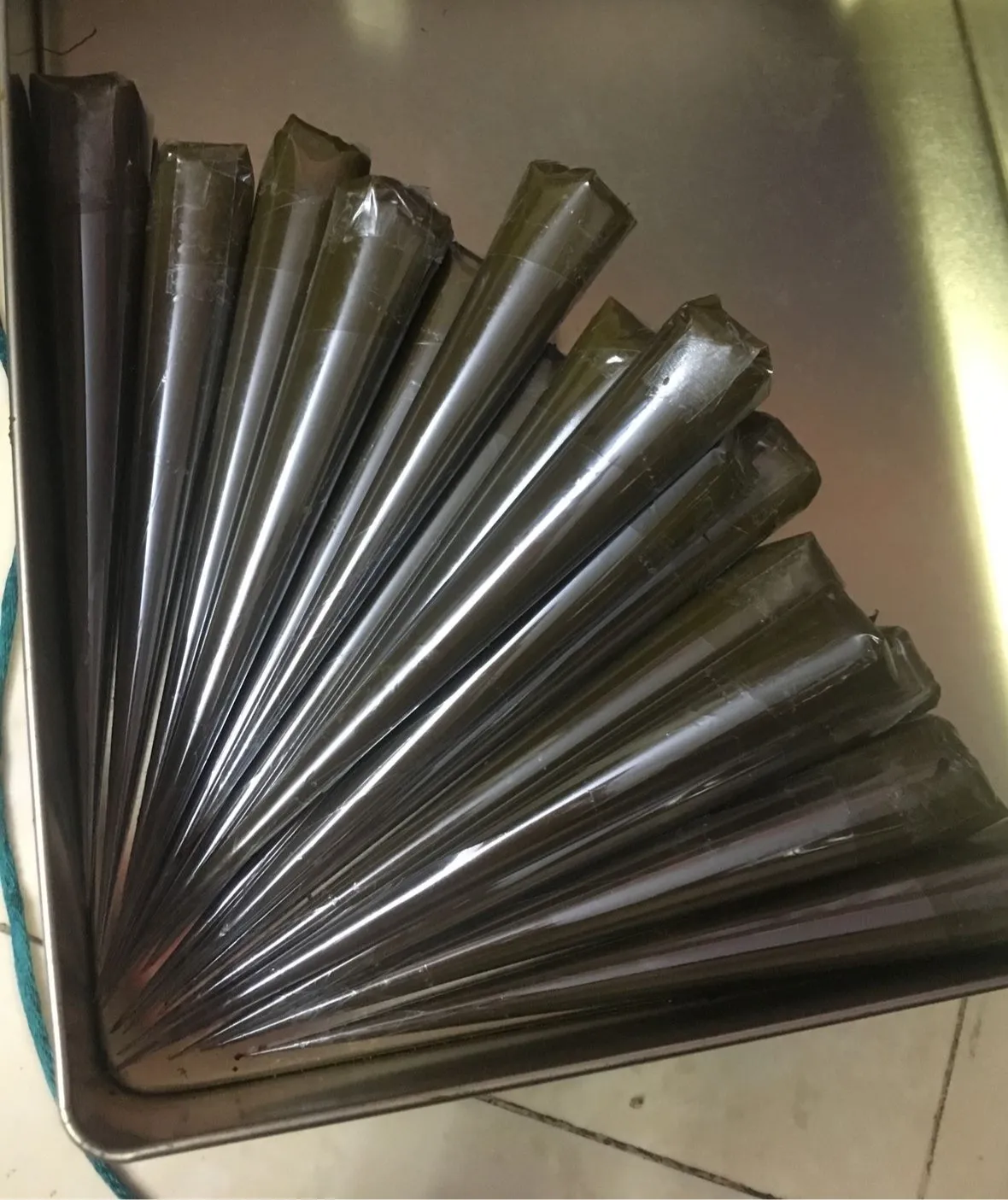 Henna ConesPracticing Henna ConesStain-free practice paste₹10View product →
Stage 2 — Learn the design languages (weeks 6–16)
Study the three families side by side so you can give clients what they ask for: Arabic (bold, floral, lots of negative space), Indian/Rajasthani (dense, fine, figurative), and Indo-Arabic (a blend). Our breakdown of Arabic vs Indian vs Indo-Arabic mehndi is a good reference. Keep a swipe file of designs you like and reverse-engineer how each motif is built.
Practise composition, not just motifs. A design that reads well has a clear anchor (a central mandala, flower or paisley cluster), elements radiating from it toward the fingers and wrist, a defined border, and deliberate bare skin so it can breathe. Once you can place those four layers confidently on a blank hand, you can adapt any reference to any hand size. Our guides to easy mehndi designs for beginners and back-hand and finger design ideas walk through this layer by layer.
Stage 3 — Assemble your kit
You don't need much to start, but what you have must be reliable. A working starter kit is: body-art-quality henna cones, a few thin-tip practice cones, nail cones for detail, aftercare oil, tissue, tape, cotton, a small torch/lamp for warmth, and a comfortable folding stool. Our full henna artist starter kit checklist breaks down every item and what to skip.
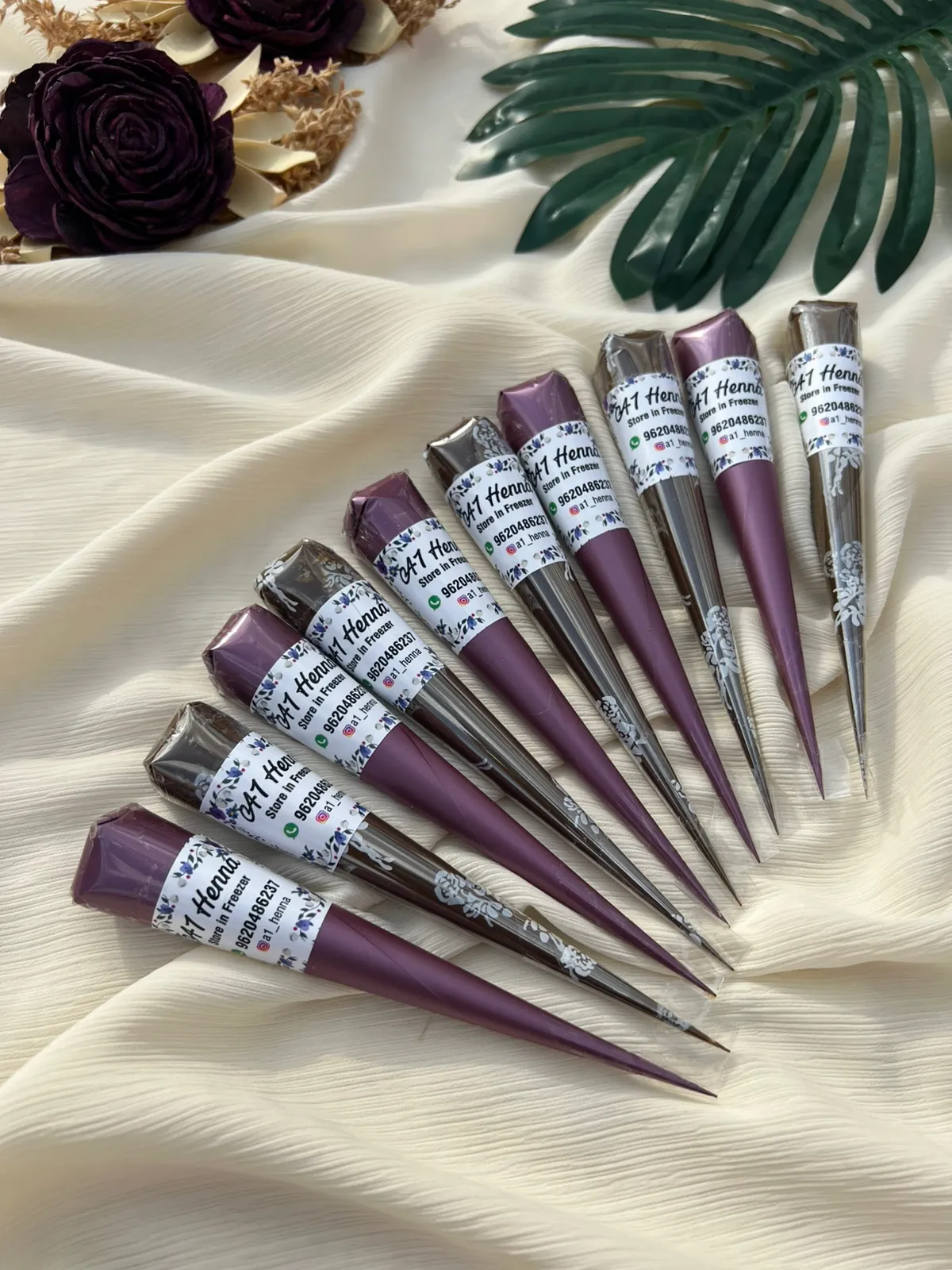 Henna ConesOrganic Henna ConesOrganic henna paste * Rich, natural henna stain * Halal · No PPD * Fine tip for detailed designs * Freshly hand-rolled in Bengaluru₹40View product →
Stage 4 — Practise on real skin, on a schedule
Paper only takes you so far. Practise on your own leg, on family, on friends before functions. Photograph every design in daylight against a plain background — this is your future portfolio. Do at least one "full pair of hands" a week so you build stamina for bridal sittings that run four to seven hours.
Stage 5 — Take a structured class (optional but faster)
A short batch compresses months of trial and error. In our 20-day henna classes in Bangalore you get graded practice, correction on cone angle and pressure, bridal-set drills, and guidance on pricing and client handling. Students come from across the city — Jayanagar, BTM Layout, HSR Layout, Whitefield — and many start taking festival bookings before the batch ends. Here's what to expect from a henna class if you've never done one, and founder Aliya's own reasoning for why she built the batches this way in why I train women to become henna professionals and what teaching 100+ students has taught me.
Stage 6 — Price your work and find clients
- Set rates you can defend. Use our guide to pricing your mehndi work — cost of materials, hours, travel and skill level.
- Build an Instagram feed of clean, well-lit photos. Post consistently; tag your area.
- Start local. Offer festival-day booking to neighbours and colleagues, list yourself on artist directories, and ask every happy client for a review and a referral.
- Second-shoot for a senior artist during wedding season to learn pace and professionalism.
Getting your first ten clients
The first ten bookings are the hardest and rarely come from strangers. In order of what actually works:
- Your own circle. Message every friend, cousin and colleague before Karva Chauth, Eid and Diwali offering festival hands at a modest rate. Do them well and photograph them.
- Neighbourhood WhatsApp groups. Apartment and street groups in areas like BTM Layout, JP Nagar and HSR Layout are full of people who'd book mehndi for a function if they knew someone nearby.
- Local salons and boutiques. Many take mehndi bookings and outsource the work. Leave cards and a portfolio link.
- Artist directories and marketplaces. List yourself with real photos and your service area.
- Referrals. After every booking, ask directly: "If you know anyone who needs mehndi for a function, please pass on my number." Give a small discount for a referral that books.
Common beginner mistakes to avoid
- Skipping consistency drills and jumping to full designs — the reason lines wobble.
- Buying cheap "compound" henna and blaming your skill when the stain is pale. Start with body-art-quality cones.
- Under-quoting to "get experience," then feeling resentful. Charge a fair beginner rate from day one.
- No aftercare card. Clients judge you on the colour two days later, which depends on what they do after you leave.
- Not photographing work in daylight against a plain background — you'll wish you had a portfolio when the bookings start.
- Taking a bridal booking before you can finish a full pair of hands comfortably in time. Build up through festival and guest work first.
Stage 7 — Keep the quality bar high
Only ever use natural, body-art-quality henna — never "black henna," which can cause chemical burns and lifelong allergy (see natural henna vs black henna). Patch test brides. Give written aftercare. Your reputation in a city like Bangalore travels fast in both directions.
A realistic 6-month plan
| Month | Focus |
|---|---|
| 1–2 | Daily consistency drills; learn the paste; basic motifs |
| 3 | Full Arabic hands; start photographing work |
| 4 | Indo-Arabic and bridal-guest designs; take first festival bookings |
| 5 | Bridal set practice; build Instagram; set rates |
| 6 | Second-shoot a wedding; take small bridal bookings |
Follow it and by month six you'll have a portfolio, a price list and paying clients.
Questions people ask
Do I need a certificate to work as a henna artist in India?
No licence or certificate is legally required to take mehndi bookings in India. What clients actually judge you on is a strong portfolio, clean line work and reliable timing. A course simply gets you there faster and gives you structured feedback.
How long does it take to become a paid henna artist?
With daily practice most people can take small paid bookings — festival hands, simple bridal-guest designs — within 3 to 6 months. Full bridal work usually takes a year or more of consistent practice.
How much can a henna artist earn in Bangalore?
Festival and party rates run roughly ₹300–₹1,500 per pair of hands; bridal packages in Bangalore commonly range from ₹5,000 to ₹35,000+ depending on coverage, style and the artist's reputation.
Can I learn henna art online, or do I need in-person classes?
You can learn the basics of consistency and pattern from videos, but cone pressure, paste feel and correcting mistakes are much easier to fix with a teacher watching your hand. Most professionals do a short in-person batch and then practise on their own.
Do I need to register a business to work as a henna artist in India?
You can start as an individual/sole proprietor with no formal registration. Registration (a proprietorship, Udyam/MSME, or GST) becomes relevant as income grows, for opening a current account, or when clients or venues ask for a GST invoice. Check current thresholds with a local accountant.
Do freelance mehndi artists need to charge GST?
Only if your aggregate turnover crosses the GST registration threshold for services (as of 2026, around ₹20 lakh a year in most states, ₹10 lakh in some special-category states), or if you register voluntarily. Below that you invoice without GST. Thresholds change — confirm the current figure with an accountant.
How do I protect myself from last-minute cancellations?
Take a non-refundable advance (30–50%), put the scope, date and cancellation terms in writing, and keep a backup artist you trust for illness or double-bookings.
Keep reading
Practice Henna Cones: Learn Mehndi Faster, Cheaper
Practice cones make learning mehndi low-pressure and low-cost. How to use them for drills, what to practise in what order, and when to switch to your good cones.
Henna Artist Starter Kit: What You Need (and What You Don't)
Everything a new mehndi artist actually needs to take bookings — cones, tips, aftercare, comfort gear — and the 'essentials' that are a waste of money.
How to Price Your Mehndi Work in India (Fairly)
A simple formula for festival, party and bridal rates that covers materials, hours, travel and skill — plus the price bands artists actually charge in Bangalore.