
✍️ In Aliya's Own Words
Founder's NotesWhat Teaching 100+ Students Has Taught Me
Aliya on what eleven batches of training students has actually taught her — about technique, confidence, and what separates a hobbyist from a working artist.
By Aliya, Founder, Hennaya
1 October 2026 · 5 min read

Eleven batches and 100+ students in, teaching has taught me at least as much as it's taught them. The biggest lesson from years of training henna students is that technique comes fast — confidence is the slower, harder thing to build, and it's the part that actually decides who becomes a working artist.
What surprised me early on
I expected teaching to be mostly about hand skill — correcting grip, line control, motif proportion. That part matters, but it's not what determines who's still doing henna professionally a year after their batch ends. It's whether she believes her work is good enough to charge for. I've watched genuinely talented students undersell themselves for months, and less naturally gifted ones build solid client bases because they treated their work like it mattered from day one.
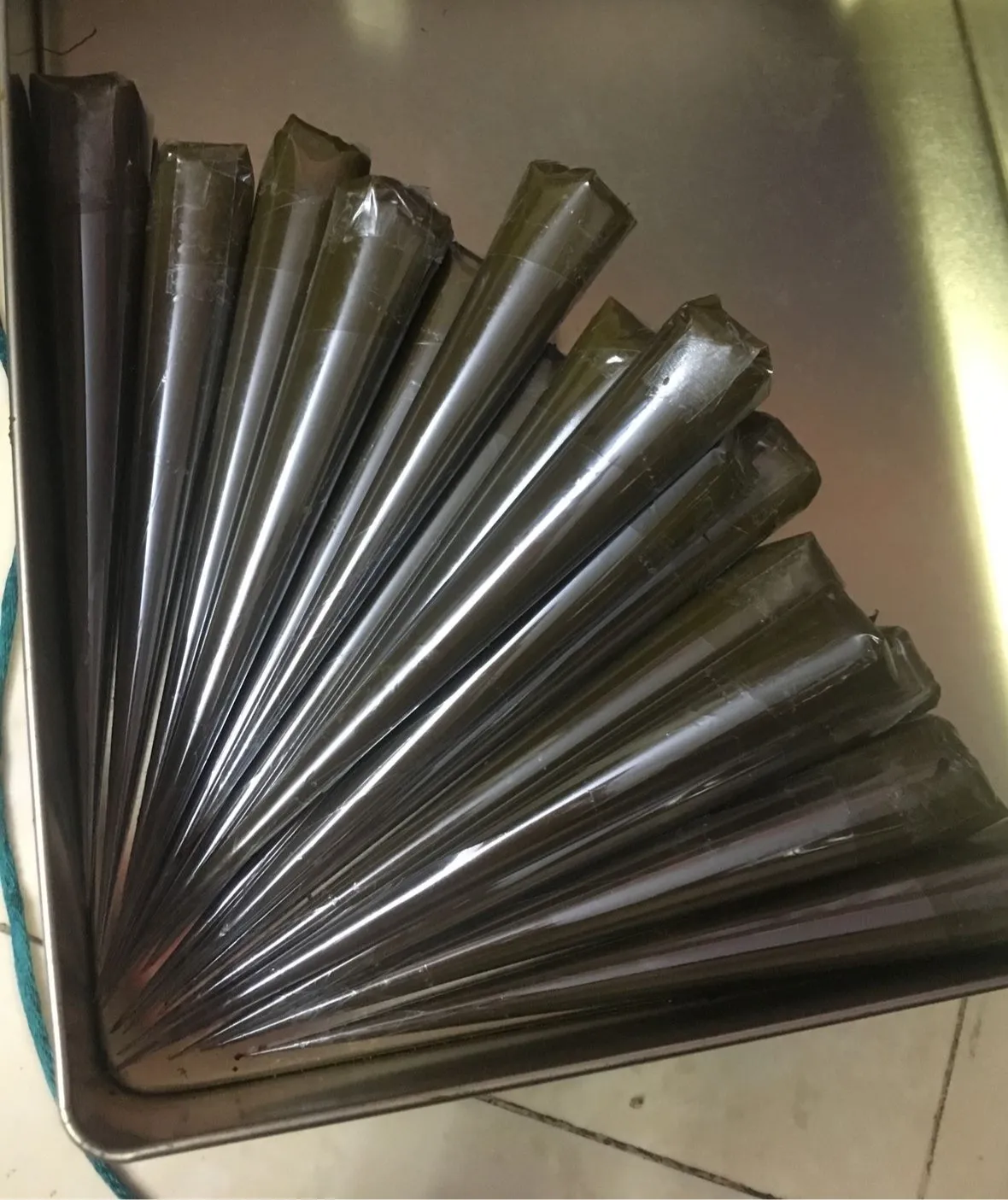 Henna ConesPracticing Henna ConesStain-free practice paste₹10View product →
Why I teach the business side just as hard as the art
A student who can draw beautifully but doesn't know what to charge, how to source good henna, or how to talk to a client is still stuck. So pricing your mehndi work, sourcing, and even how to build a portfolio that actually gets bookings get as much time in a batch as motif practice does. I'd rather send out a student who's a solid B+ artist and a confident businesswoman than an A+ artist too unsure to ask for a fair rate.
The mistake I see most often
Learning from videos and photos only, without anyone watching the actual hand. A recorded tutorial can show you what a good peacock looks like; it can't tell you that you're gripping the cone too tight or tilting it wrong on curves — the exact habits that make lines wobble. That correction only happens with someone watching in person, which is why I've kept batches small even as demand to join them has grown. Scaling that part up would mean losing the thing that actually makes the training work.
See what a training batch actually covers →
What the fastest learners have in common
It's rarely raw talent. It's consistency — students who practise daily on cheap practice cones, even just for ten minutes, improve faster than someone who does one long session a week. Line control is muscle memory, and muscle memory needs repetition more than it needs long sessions.
The wobbly-line problem, and why it's almost never about talent
Nearly every beginner's lines wobble in the same handful of ways — too tight a grip, tilting the cone instead of keeping it upright, moving too fast on curves. I used to think this meant someone just wasn't naturally steady-handed. It almost never does. It's a habit, and habits are fixable with someone actually watching and correcting them in real time — which is the whole reason I don't teach this over video. Watch a student's grip for thirty seconds and I can usually tell you exactly why her lines are shaking, and it's fixable within the same session, most of the time.
The moment that tells me it's working
It's not the first time a student draws a clean design. It's the first time she names a price to a client without checking with me first. That's when I know the batch actually did its job — not just teaching henna, but teaching her that her henna is worth something.
What I've changed about how I teach
Eleven batches in, I front-load the business lessons more than I used to. In early batches I taught pricing near the end, almost as an afterthought — I've since moved it much earlier, because students who understand their own worth from day one practise differently. They're building toward something specific, not just getting better at drawing for its own sake.
Why this matters to me more than the cones do
The product line pays the bills and proves the standard. The teaching is where I actually get to watch someone's whole situation change — a woman who came in unsure she had anything worth selling, leaving able to book, price and deliver work she's proud of. I write more about why that matters so much to me in why I train women to become henna professionals.
The question I ask myself after every batch
Not "did they improve their technique" — that almost always happens with enough practice. It's "would I send a client to any of these students right now." That's a higher bar than "can she draw," and it's the one that actually matters once a batch ends and everyone's out there on their own. If the answer's yes for most of a batch, I know the teaching did its job; if it's not, I go back and look at what I skipped or rushed.
What I'd change if I were starting the batches over
I'd introduce clients and real bookings earlier — even a small, low-pressure one during the final week of training — instead of waiting until after graduation. The gap between "I can do this in a classroom" and "I can do this with a paying stranger watching" is bigger than it looks, and the sooner a student crosses it with support nearby, the less daunting it feels once she's fully on her own. I didn't build the batches this way from the start; it's something I only figured out after watching a few graduates freeze up on their very first real booking, with nobody there to talk them through it.
Every batch still teaches me something new about how people actually learn — which is, honestly, half the reason I keep doing this instead of handing the teaching off entirely.
Questions people ask
What's the biggest thing Aliya has learned from teaching henna?
That technique comes with practice much faster than confidence does — most students can draw a clean line within days, but believing their work is worth charging for takes real teaching, not just demonstration.
How many students has Hennaya trained?
Over 100 women across Batch 11 and counting of the 20-day training programme.
What separates students who succeed as professional artists from those who don't?
Consistency with practice, and taking the business side — pricing, sourcing, client conversations — as seriously as the design side. Talent alone rarely decides it.
Does Hennaya's teaching style change based on the student?
Yes — batches stay small enough that each student gets correction on her own hand movement, not a generic demonstration, because the habits that cause wobbly lines are different for everyone.
Keep reading
Why I Train Women to Become Henna Professionals
Aliya on why teaching became as important as the art itself — turning a skill women already love into a real, confident income, one 20-day batch at a time.
My Vision for Hennaya: Where This Is Headed
Aliya on what she's actually building — not just a henna shop, but a studio, a training ground and a livelihood path for women in Bangalore, and where it goes next.
Why I Started Rolling My Own Henna Cones
Aliya on the real reason Hennaya's cones exist — she couldn't reliably buy henna she'd trust on a bride's hands, so she started rolling her own from scratch.