
✍️ In Aliya's Own Words
Founder's NotesMy Vision for Hennaya: Where This Is Headed
Aliya on what she's actually building — not just a henna shop, but a studio, a training ground and a livelihood path for women in Bangalore, and where it goes next.
By Aliya, Founder, Hennaya
5 October 2026 · 5 min read

People sometimes ask what Hennaya actually is — a product company, a training school, a mehndi studio? Fair question, since it's genuinely all three. My vision for Hennaya is simple to say and harder to build: natural henna people can actually trust, taught properly to the women who want to earn from it, out of one honest studio in Bangalore. Here's how I think about where that's headed.
The three parts have to stay connected
I could have kept this as just a product line, or just a training academy. I didn't, because in my head the two need each other. The cones exist because I couldn't find henna I'd trust on a bride's hands — that's the standard the training has to teach to. The training exists because a cone alone doesn't build anyone a livelihood — someone has to actually know how to use it, price it, and turn it into paid work.
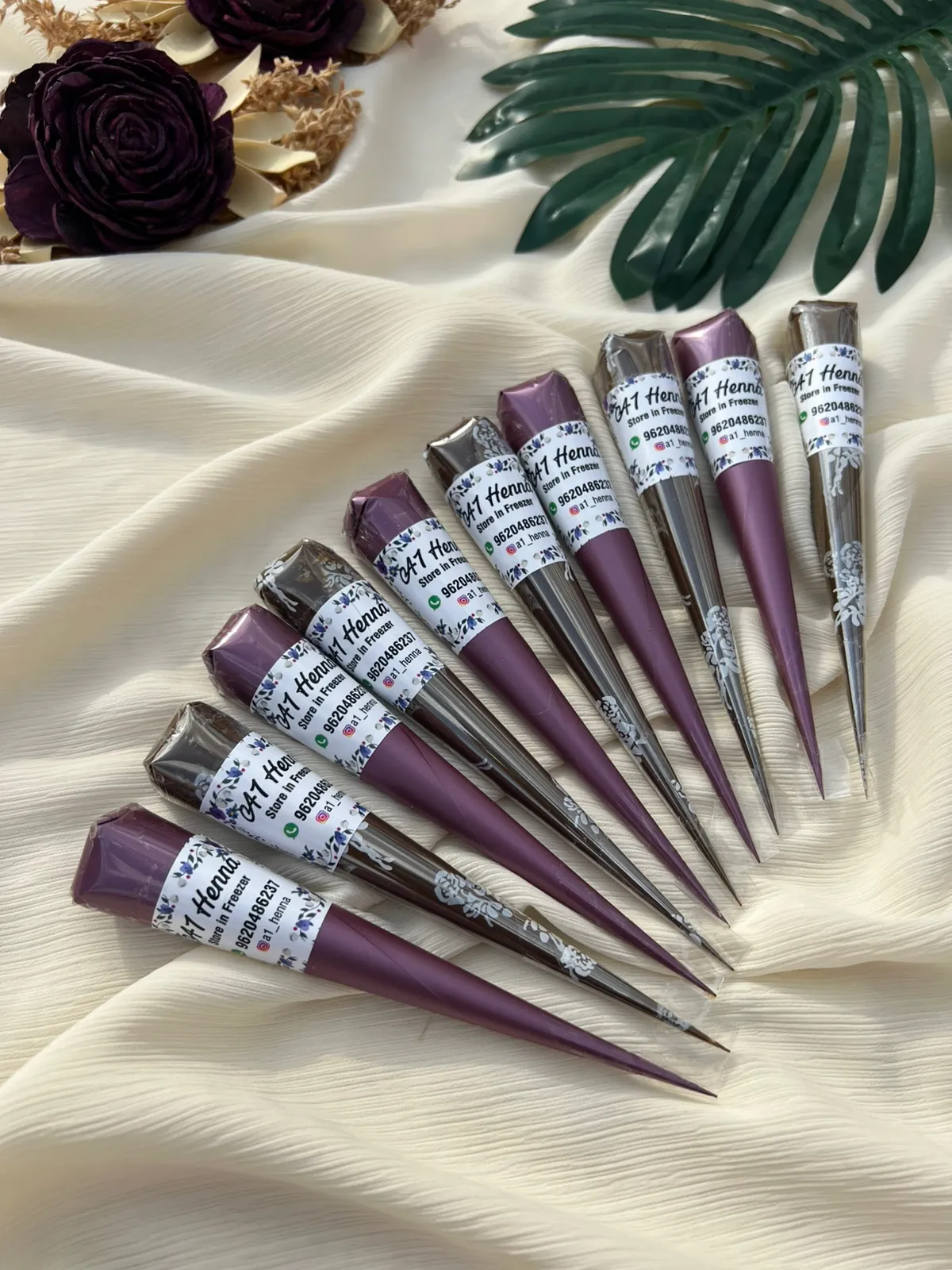 Henna ConesOrganic Henna ConesOrganic henna paste * Rich, natural henna stain * Halal · No PPD * Fine tip for detailed designs * Freshly hand-rolled in Bengaluru₹30View product →
You can read the full story of how that started in why I started rolling my own henna cones.
What "natural" has to mean, not just say
A lot of henna sold online says "natural" on the label and doesn't mean much by it. I don't want Hennaya to be that. Every cone we sell is made from the same recipe I'd put on my own hands — no PPD, no ammonia, no synthetic dye — and I write honestly about what that actually means in what "natural henna" really means, including where the claims stop and the marketing would otherwise start.
Training is the part I want to grow fastest
We're on Batch 11 of the 20-day training programme, and I've written a whole piece on why that side of the business matters most to me in why I train women to become henna professionals. Short version here: I want more batches, more women earning confidently from a skill they already loved before they ever met me, and eventually — this is the part I'm most excited about — some of today's students teaching tomorrow's batches. That's when I'll know the model is really working, when it doesn't need me in the room to keep going.
See what a batch actually covers →
Staying small enough to keep the standard
I get asked why we don't scale faster — more products, faster shipping, bigger batches. I've resisted a lot of that on purpose. Every cone is still rolled in small batches in Bangalore, dated, and I'd rather sell fewer cones I stand behind than flood the market with something I can't personally vouch for. Same with the training — I keep batches small enough that every student gets real correction, not a video lecture. Growth that costs the standard isn't growth I want.
Bangalore first, then further
The studio is in BTM 1st Stage, and that's not changing — this city, these students, from Jayanagar to Koramangala to HSR Layout, are the heart of it. But the products already ship pan-India, and I think the training model — teach the craft, teach the business, send women out able to earn — can travel too, eventually, without losing what makes it work here. That's a longer-term thing, not a next-quarter thing, and I'd rather do it right than fast.
What I'm prioritising right now, honestly
If I'm being specific rather than just aspirational: right now it's filling the next training batches with women who are serious about the business side, not just the art side, because that's the combination that actually sticks. It's keeping every cone that leaves the studio to the same freshness standard even as order volume grows, which means resisting the temptation to pre-roll large batches ahead of demand. And it's making sure the content on this site — including pieces like this one — stays honest rather than just optimised for search, because I'd rather have fewer readers who trust what we say than more who don't.
What success looks like to me
Not a bigger warehouse. More women who came through a Hennaya batch nervous and left booking their own clients. More brides who tell me their stain lasted exactly as long as I promised. More people who buy a cone from us and never have to wonder what's actually in it. If those three things keep happening, everything else about the business is working the way it should.
The balance I have to keep
Running the product line, the training batches and still taking bridal bookings myself means constantly deciding where my time actually goes. I could grow the product side faster if I stepped back from teaching; I could take on more students if I handed off more of the hands-on cone-rolling. I've deliberately kept doing all three, because each one keeps the others honest — bridal bookings tell me if the cones are actually working in the real world, teaching tells me what new artists actually struggle with, and the product line is what makes the training financially sustainable rather than a side project. It's more work than choosing one lane would be, but I think the business is better for it.
Where you fit into this
Whether you're buying a cone for your own hands, booking bridal mehndi, or thinking about training with us — you're part of the same thing I'm trying to build. A henna brand from Bangalore that natural means natural, that teaching means real income, and that quality doesn't get diluted as it grows.
Why I'm writing this down at all
Most businesses don't publish their internal thinking. I'm doing it here because I think the people who buy from us, learn from us, or book their wedding mehndi through us deserve to know what's actually driving the decisions behind the scenes — not just the polished version, but the honest one, priorities and trade-offs included.
Questions people ask
What is Hennaya's mission?
Helping women turn a love of henna into a real, confident livelihood — through natural products people can trust and training that covers the full craft, not just design.
Is Hennaya just a product company or a training school?
Both, on purpose. The cones fund and prove the standard; the training passes the skill on. Neither half makes sense to me without the other.
What's next for Hennaya?
More women trained through the batches, natural henna reaching further across India, and eventually some of today's students teaching tomorrow's batches themselves.
Does Hennaya only operate in Bangalore?
The studio and training batches are based in Bangalore — BTM 1st Stage — but the products ship pan-India, and the plan is for the training model to reach further too.
Keep reading
Why I Train Women to Become Henna Professionals
Aliya on why teaching became as important as the art itself — turning a skill women already love into a real, confident income, one 20-day batch at a time.
Why I Started Rolling My Own Henna Cones
Aliya on the real reason Hennaya's cones exist — she couldn't reliably buy henna she'd trust on a bride's hands, so she started rolling her own from scratch.
What "Natural Henna" Really Means — My Honest Take
Aliya cuts through the marketing on "100% natural" henna — what the word should actually mean, what to check before you buy, and where honesty has to win over hype.