
Arabic vs Indian vs Indo-Arabic Mehndi: Which Suits You
The three styles brides ask for most — what sets them apart, how long each takes, and which one flatters your outfit, your function and your budget.
By Aliya, Founder, Hennaya
22 September 2026 · Updated 7 October 2026 · 5 min read

"Arabic or Indian?" is the first question most brides get asked. Here's a plain-language guide.
Arabic mehndi
Bold, flowing florals and vines with generous negative space. Motifs are larger, lines are confident, and the design often trails diagonally across the hand.
- Feel: graphic, modern, breezy
- Time: fastest of the three
- Best for: engagements, mehndi-night looks, guests, anyone who wants impact without full coverage
Indian (traditional) mehndi
Dense, symmetrical, highly detailed — paisleys, peacocks, jaali (net) fills, portraits and bride-groom motifs, often covering hands and forearms fully.
- Feel: ornate, ceremonial, maximal
- Time: longest; full bridal can be 6+ hours
- Best for: the main bridal look, heavy lehengas, families who want the classic full-coverage tradition
Indo-Arabic mehndi
The fusion, and currently the most popular bridal choice. It keeps the flow and open space of Arabic work but adds Indian-style fine detailing and fills in key areas.
- Feel: balanced — detailed where it counts, airy elsewhere
- Time: moderate
- Best for: brides who want intricacy and photos-ready density without a full six-hour sitting
Choosing
Match the density to your outfit (heavier outfit → heavier mehndi reads better), the time you realistically have, and how much of your skin you want covered. When in doubt, Indo-Arabic is the safe, photogenic middle.
Quick comparison
| Arabic | Indian (traditional) | Indo-Arabic | |
|---|---|---|---|
| Motifs | Large florals, vines | Paisleys, peacocks, jaali, portraits | Florals + selective fine fill |
| Negative space | Lots | Very little | Moderate |
| Coverage | Trailing, partial | Full hand + forearm | Flexible |
| Time (one pair of hands) | 45–90 min | 4–6+ hrs for bridal | 1.5–3 hrs |
| Best occasion | Engagement, guests, mehndi night | Main bridal look | Modern bridal, sangeet |
Other named styles you'll hear
- Rajasthani / Marwari — a dense Indian sub-style with fine figurative panels and heavy fills; the classic full-arm bridal look.
- Mughlai — ornate, medallion-heavy, lots of fine linework.
- Moroccan — geometric, angular, tribal-influenced; sparse and bold.
- Khafif — a light, minimal Arabic variant, quick and elegant.
- Bail (single-strip) — one trailing vine from a fingertip to the wrist; the fastest festive option.
How the styles are built
Whatever the label, a strong design has the same four layers: an anchor (a mandala, big flower or paisley cluster), elements radiating from it toward the fingers and wrist, a defined border (a wrist cuff), and fillers — dots and tiny leaves — with some bare skin left on purpose. Arabic leans on the anchor and radiants with lots of space; Indian packs every layer densely; Indo-Arabic keeps the airy structure but fills the anchor and cuff. Our back-hand and finger design ideas and easy mehndi designs for beginners walk through building each layer.
Matching style to function
- Haldi / mehndi night: Arabic or khafif — light, quick, photogenic.
- Engagement / roka: Indo-Arabic on one hand, or decorated fingers with an open back of hand.
- Main wedding: Indian or Rajasthani for full coverage, or dense Indo-Arabic for a lighter but still dramatic look — see bridal mehndi design trends.
- Reception / second look: a smaller Arabic accent if the bridal design has faded.
Whichever you choose, the colour comes from the cone and the aftercare, not the style. Hennaya supplies natural cones and runs henna classes in Bangalore covering all three families, with students across Jayanagar, BTM Layout, HSR Layout and Koramangala.
Style by hand shape
- Long, slim fingers carry trailing Arabic vines and bail designs beautifully.
- Broad palms suit a strong central mandala or a dense Indian fill.
- Shorter fingers look best with motifs kept to the middle segment and tips, not full-length.
- Petite hands — scale motifs down and leave more negative space so the design doesn't overwhelm.
A good artist adapts the reference to your hands rather than copying it exactly.
How long will mine take?
Rough guide for one pair of hands, backs only:
| Style | Time |
|---|---|
| Arabic / khafif | 45–90 min |
| Indo-Arabic | 1.5–2.5 hrs |
| Indian, hands + forearms | 3–4 hrs |
| Rajasthani bridal, hands + feet + arms | 5–7 hrs |
Add feet, add density, add a second side of each hand, and the time climbs — which is also why the cost does.
Practising the styles
If you're learning, don't jump between all three at once. Get comfortable with Arabic florals and vines first — big shapes, forgiving spacing — then add Indian fine fills (jaali, dotwork), then blend the two into Indo-Arabic. Use cheap practice cones and the layer-by-layer method in easy mehndi designs for beginners.
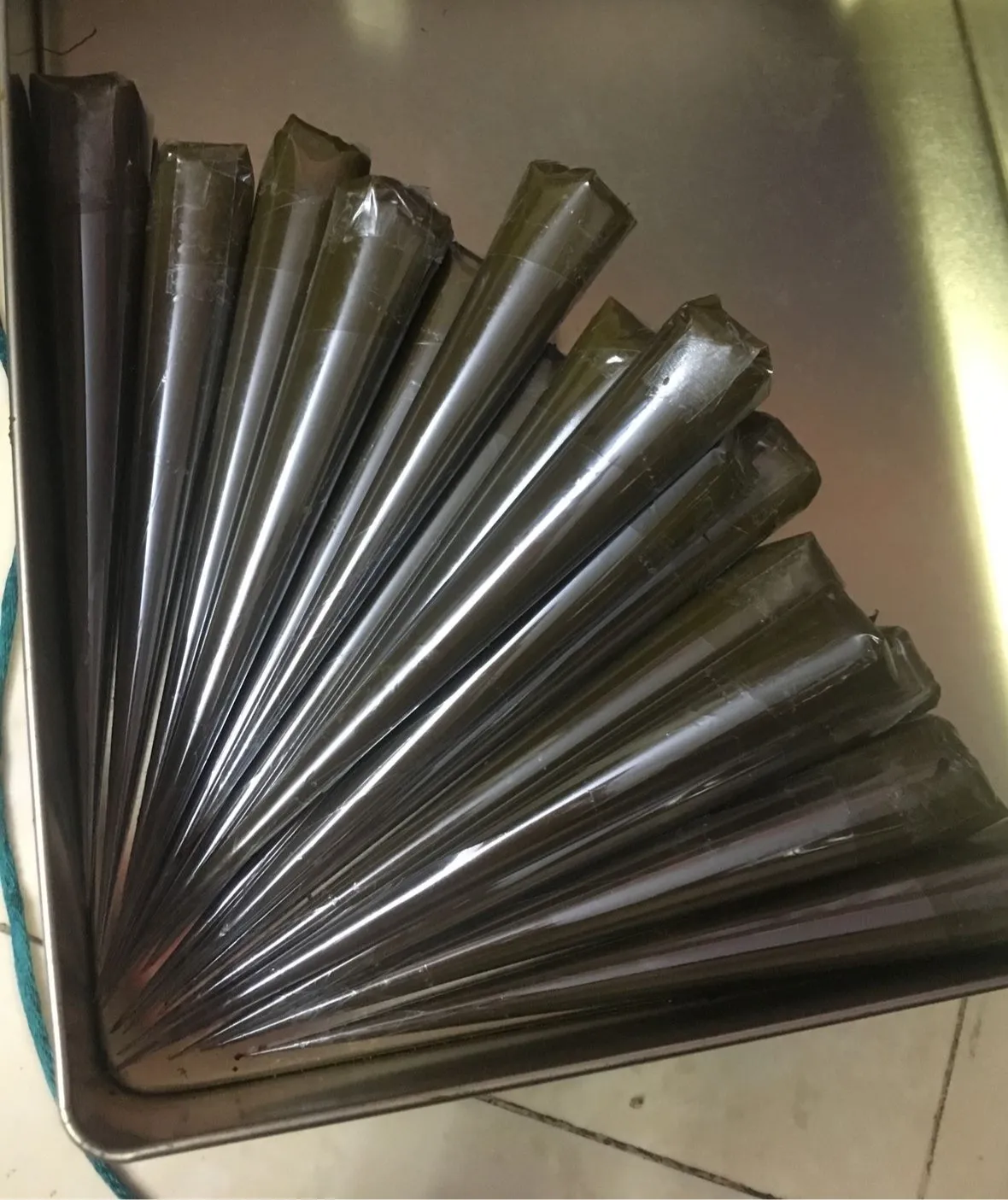 Henna ConesPracticing Henna ConesStain-free practice paste₹10View product →
Telling them apart in a photo
- Lots of bare skin, big confident flowers, a diagonal flow → Arabic.
- Almost no bare skin, fine net fills, figures and peacocks, coverage to the elbow → Indian / Rajasthani.
- Airy overall layout but dense, detailed flowers and a filled wrist cuff → Indo-Arabic.
Which ages best in your wedding album
Trends move, but a design with clear structure and strong motifs — a defined palm anchor, a clean border, deliberate negative space — looks right years later regardless of style label. Very busy or very trend-specific designs date faster. When unsure, Indo-Arabic with a personalised motif or two is the choice most brides stay happy with. See what's current in bridal mehndi design trends.
Questions people ask
What is Indo-Arabic mehndi?
A fusion style that keeps the bold, flowing florals and negative space of Arabic mehndi but adds the fine detailing, jaali (net) fills and motifs of Indian mehndi. It's the most requested bridal style right now.
Which mehndi style takes the least time?
Arabic mehndi is usually fastest because it uses larger motifs and open space. Traditional Indian bridal designs are the most time-consuming due to dense, fine fills.
Which style covers the hand more?
Traditional Indian bridal designs give the fullest coverage, often up to the elbow. Arabic designs are more trailing and leave more skin visible.
Keep reading
Craft Your Unique Mehndi Design
Empower yourself by crafting personalized henna art that reflects your individuality. Discover how to embrace your creativity!
Bail Mehndi: Vine & Trail Designs for Hands
What bail mehndi is, the main vine layouts for hands and fingers, and how to draw a clean trailing bail design that works for daily wear or a festival day.
Mehndi Motif Meanings: Peacock, Lotus & More
What does a peacock, paisley or lotus actually mean in mehndi? A plain guide to the symbolism behind the motifs artists draw most, and when each one fits.