
How to Get a Dark Henna Stain: 12 Tips That Work
The exact routine our Bangalore studio uses for a deep maroon stain — right cone, heat, timing, aftercare. Do these and even a simple design turns rich.
By Aliya, Founder, Hennaya
5 October 2026 · 5 min read

A dark henna stain isn't luck — it's the sum of a dozen small choices, from the powder you buy to how you treat your hand the night after. Here's the routine we teach in our training batches.
It starts with the powder
- Use fresh, finely sifted henna powder. Triple-sifted, recent-harvest powder releases far more dye (lawsone) than a bag that's been open for a year.
- Look for a body-art-quality label, not "compound" henna. Compound mixes often contain additives and give a flat colour.
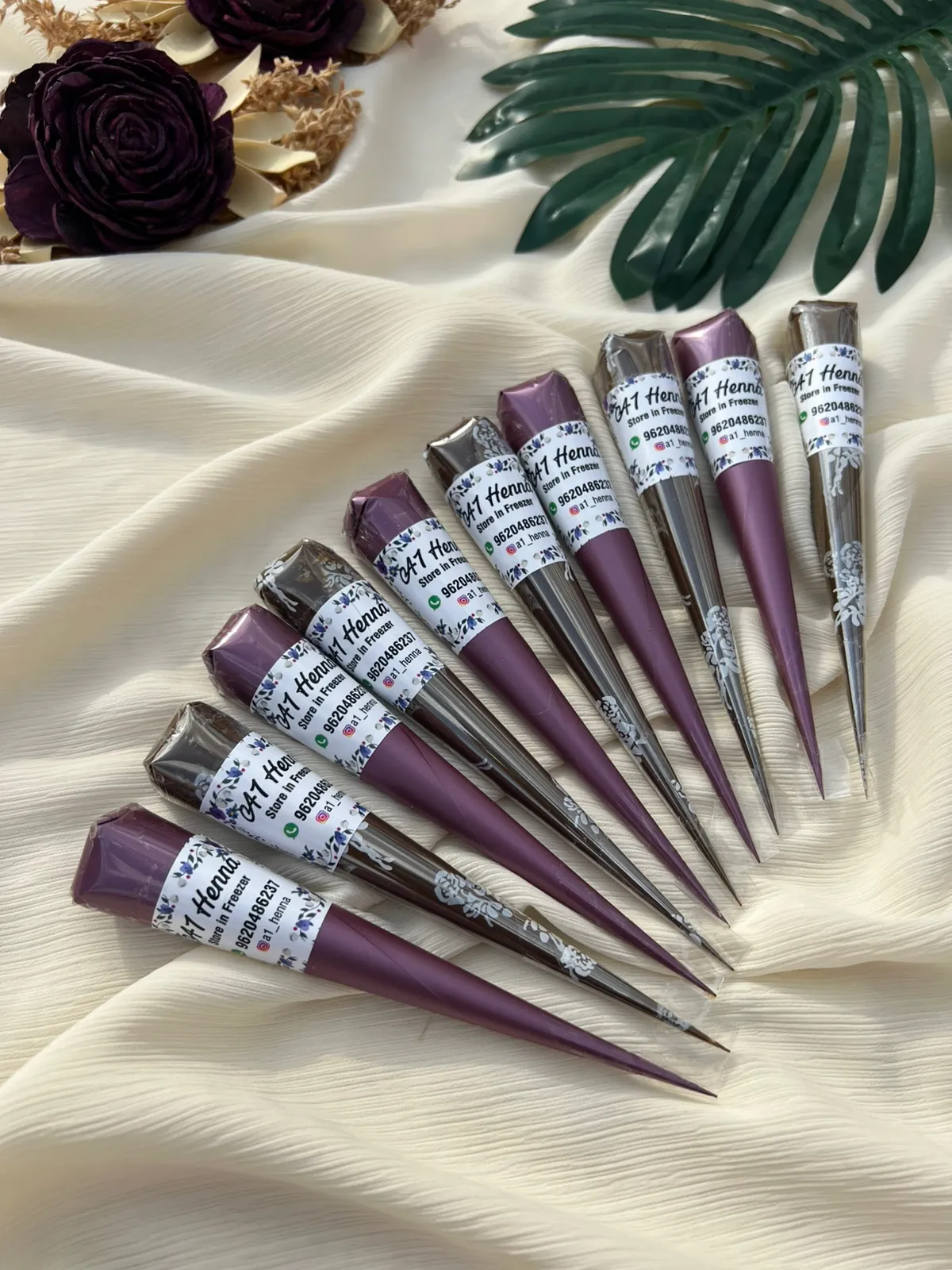 Henna ConesOrganic Henna ConesOrganic henna paste * Rich, natural henna stain * Halal · No PPD * Fine tip for detailed designs * Freshly hand-rolled in Bengaluru₹40View product →
Mixing and resting the paste
- Mix with a mildly acidic liquid — lemon juice or strong tea — to help dye release.
- Add a few drops of an approved essential oil (cajeput, lavender or tea tree). The "terps" in these oils noticeably deepen the stain.
- Rest the paste 6–12 hours at room temperature before use, until a smear on your palm leaves a clear orange mark within a minute.
- Get the consistency right — like thick toothpaste that pipes cleanly and holds a fine line.
During application
- Keep your hands warm. Heat drives dye uptake — a warm room, a mug of chai nearby, or gentle warmth from a bulb all help.
- Leave the paste on as long as you comfortably can — a minimum of 4–6 hours, overnight for bridal work.
Never use so-called "black henna." A jet-black stain in an hour almost always means an added synthetic dye that can cause serious skin burns and lifelong allergy. Real henna is never black.
Removing the paste and aftercare
- Scrape the paste off dry — don't wash it. Use a blunt knife or rub it off with a little oil.
- Avoid water on the area for 12 hours after removal. This is the single biggest mistake people make.
- Seal with a natural balm or mustard/coconut oil, and keep the hand warm overnight.
- Skip soap, sanitiser and chlorine on the design for the first day or two.
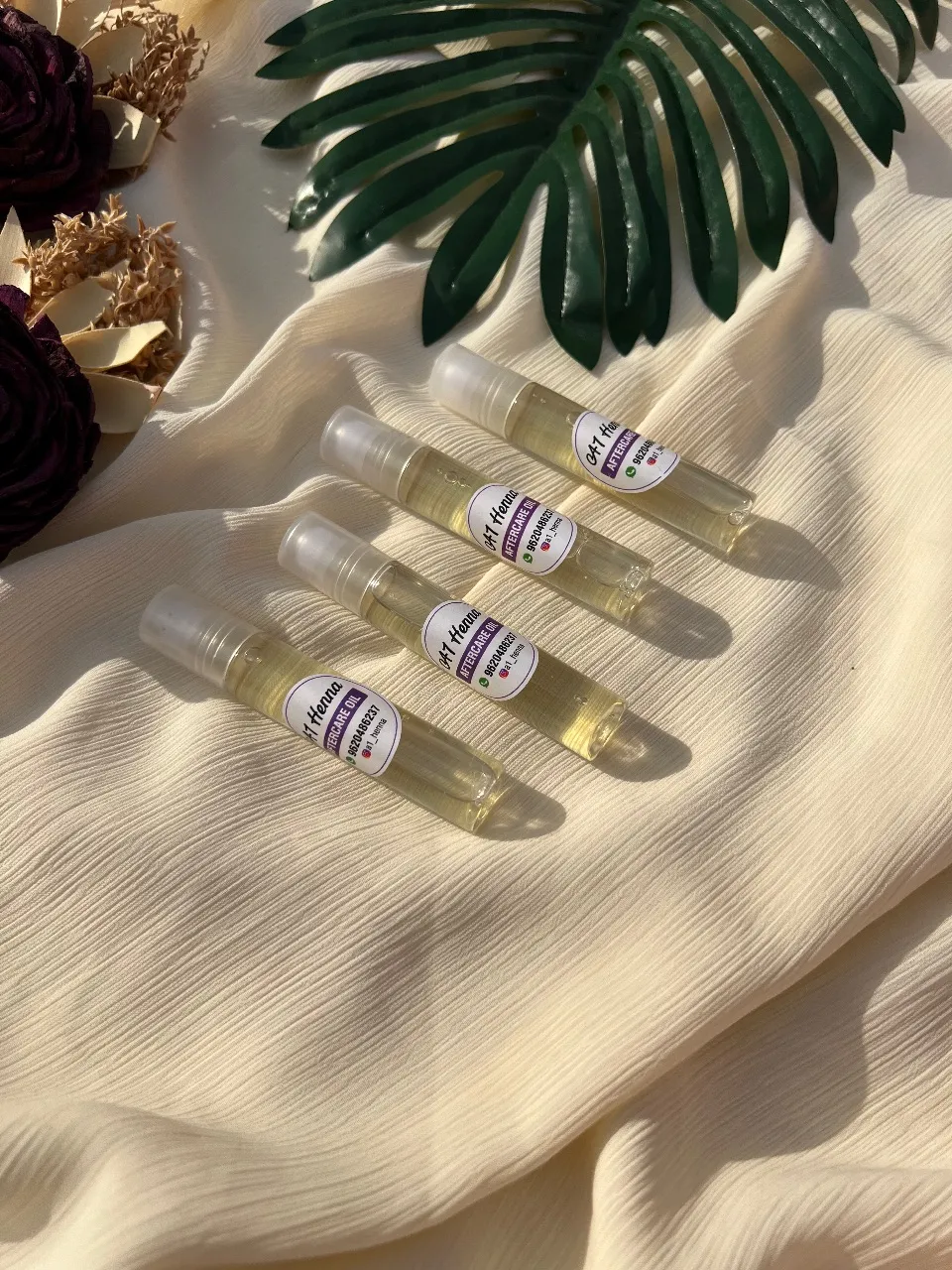 Mehndi AftercareHenna Aftercare OilHelps darken the mehndi stain₹50View product →
Why each of these works
Henna leaves contain lawsone, a dye molecule that binds to the keratin in your skin's outer layer. Everything on the list above is really about two things: getting more lawsone into the skin (fresh powder, dye-release rest, acidity, essential oils, long contact time, warmth) and then letting the deposited dye oxidise undisturbed (dry removal, no water for 12 hours, sealing with oil). Miss either half and the colour suffers. Our henna stain colour timeline walks through the oxidation hour by hour.
What to expect, day by day
| When | Colour |
|---|---|
| Right after removing paste | Pale to bright orange |
| 12 hours | Orange-brown, design clearly readable |
| 24 hours | Brown, noticeably deeper on palms and fingertips |
| 24–48 hours | Deep maroon / brown-red — the colour peaks |
| 5–14 days | Gradual fade from the fingertips as skin exfoliates |
Give any stain a full 48 hours before deciding it's "light" — most orange designs are a proper maroon by day two.
If it still comes out pale
Nine times out of ten it's one of these:
- The cone was old or stored warm — lawsone degrades over weeks. See henna cone shelf life & storage.
- The paste wasn't rested long enough for dye release before use.
- Not enough time on the skin — under 4 hours rarely goes dark.
- Washed too soon after removal, or lots of handwashing and sanitiser afterwards.
- Cold hands, or the design sits on a low-stain area (upper arm, ankle) rather than the palm.
The full checklist is in why is my henna stain light — 12 reasons.
Does the design area matter?
Yes. The palms, fingertips and tops of the feet have the thickest skin and stain the darkest — often a deep red-black. The back of the hand and forearm go a shade lighter and browner, and upper arms, ankles and shoulders are lightest of all and fade first. That's the canvas, not a mistake, so put the boldest work where the colour will reward it.
A quick self-check before an event
Two or three days before a wedding or festival, do a test strip on your inner wrist with the exact cone you'll use, and follow the routine above. If it reaches a rich maroon by 48 hours, you're set; if it stays orange, you still have time to switch to a fresher cone. This doubles as your safety patch test.
Doing your own vs booking an artist
The routine is identical either way. If you're applying it yourself, the extra things that help are: rope in someone to do your dominant hand, work fingertips-to-wrist so you never rest on wet paste, and lay out cone, tissue, tape and oil before you start. If you're booking an artist across BTM Layout, Jayanagar, Koramangala or HSR Layout, ask what henna they use and follow their aftercare card — the colour on day two is on you, not them.
It still starts with a cone that can actually stain dark.
Questions people ask
How long does it take for henna to darken?
The stain keeps deepening for 24–48 hours after you remove the paste. It usually looks orange at first and oxidises to a deep maroon-brown.
Does lemon and sugar make henna darker?
A light lemon-sugar glaze keeps the dried paste stuck to the skin for longer, which does help the stain. Don't overdo it — a soaked, dripping paste can smudge the design.
Why is my henna stain pale or orange?
Most often it's old or coarsely sifted powder, paste that wasn't rested long enough, cold hands, or washing the area within a few hours of removing the paste.
What makes henna stain your skin?
Henna leaves contain a dye called lawsone. When wet paste sits on warm skin, the lawsone soaks into the top layer of skin and locks onto it, then darkens as it meets the air over a day or two. More lawsone in the paste — from fresh powder, a proper rest and some warmth — plus more time on the skin means a darker stain.
Why did my henna stain come out orange?
Orange is normal for the first 24–48 hours. If it stays orange after two days, the usual causes are old or coarse powder, paste that wasn't rested, not enough time on the skin, or washing the area too soon.
Why is my henna stain patchy?
Uneven paste thickness, the paste drying and lifting in places before it transferred dye, oily or freshly exfoliated skin, or wiping part of the design while it was still wet.
Can old henna cones still stain?
Weakly at best. Lawsone degrades over months and with heat. Cones past their prime give a flat, pale stain no aftercare can fix — check for a batch date and store cones frozen.
Keep reading
Henna for Hair: Real Benefits, Simple Method, Honest Limits
What henna actually does for hair — colour, strength, a calmer scalp — a simple mix, how to apply it, and what it won't do. Fresh hair henna, Bangalore delivery.
Henna Stains on Clothes? How to Get Them Out
Henna paste on your outfit, carpet or sofa? Here's how to actually get a fabric stain out — fast for fresh drips, and what to try if it's already set.
Henna Stain Colour Timeline: Orange Today, Maroon Tomorrow
Hour by hour, day by day — how a henna stain goes from pale orange to deep maroon, why it shifts, and the moment the colour is finally 'done'.