
Henna Stains on Clothes? How to Get Them Out
Henna paste on your outfit, carpet or sofa? Here's how to actually get a fabric stain out — fast for fresh drips, and what to try if it's already set.
By Aliya, Founder, Hennaya
2 October 2026 · 5 min read

Everyone doing henna at home eventually gets a smudge of paste on a sleeve, a cushion, or the carpet under the mixing station — it happens even to careful hands. A fresh henna stain on fabric comes out most of the time with prompt cold-water treatment; a stain that's dried and set for a few days is a lot harder, though not always impossible. Here's the honest routine, and what won't work.
A quick note before you start: this is about getting henna off fabric — if you're trying to make a skin stain last longer instead of fading it, you want the opposite advice in how to get a dark henna stain.
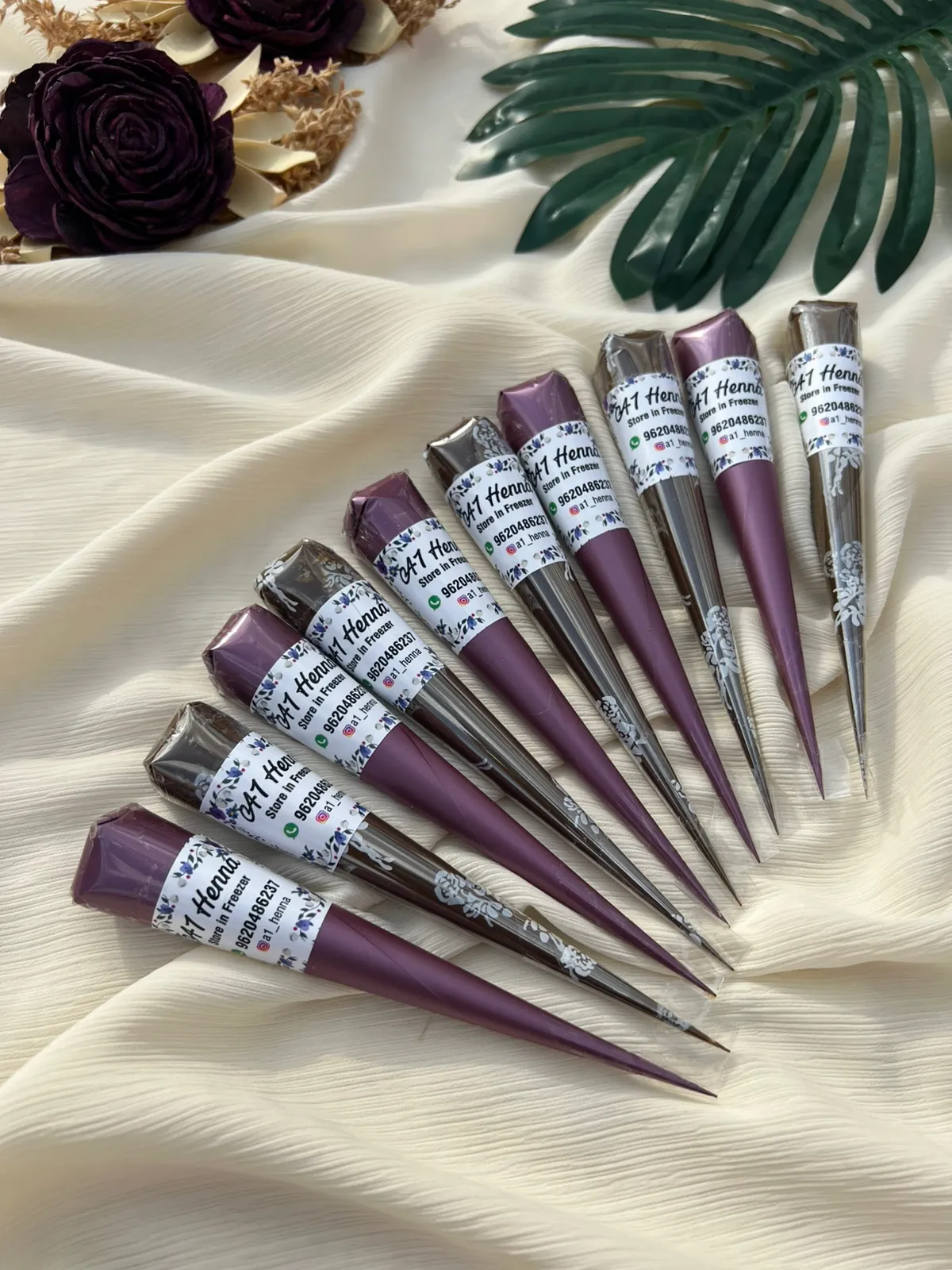 Henna ConesOrganic Henna ConesOrganic henna paste * Rich, natural henna stain * Halal · No PPD * Fine tip for detailed designs * Freshly hand-rolled in Bengaluru₹30View product →
Act fast on a fresh stain
Henna dye (lawsone) behaves a lot like turmeric or beetroot on fabric — the longer it sits, the deeper it binds into the fibres. If you catch a drip within the first hour, you've got a real shot at getting it out completely.
How to remove a fresh henna stain from washable fabric
- Scrape off any wet paste gently with a spoon or blunt knife — don't rub it, which just pushes dye deeper.
- Rinse from the back of the fabric under cold running water, so you're pushing the stain out, not through.
- Apply a liquid stain remover or a paste of dish soap and water, worked in gently with your fingers.
- Soak in cold water for 30 minutes to an hour.
- Wash on a normal cold cycle with your usual detergent.
- Check before drying — heat from a dryer or iron sets any remaining stain permanently, so if colour is still visible, repeat steps 3-5 before it goes anywhere near heat.
If the stain has already dried
You still have options, just fewer.
- Soak overnight in cold water with a stain remover or a mix of lemon juice and salt (a mild natural bleach, gentler than the bottled kind).
- Try a glycerin soak for a few hours before washing — it can help loosen dye that's already set.
- Repeat, don't escalate. Multiple gentle cold-water soak-and-wash cycles usually do more than one aggressive attempt with a harsh product.
- Accept a faint mark may remain on very light or delicate fabric — that's the honest outcome sometimes, especially days after the fact.
What not to do
- Don't use hot water first. Like turmeric, henna dye can set harder under heat instead of lifting.
- Don't rub hard. It spreads the stain and can damage delicate fabric before it helps.
- Don't reach for bleach on coloured or synthetic fabric. It's for plain white, colourfast cotton only, tested on a hidden seam first — otherwise you risk a bleached patch that's worse than the original stain.
- Don't dry or iron it until you're sure the mark is gone. Heat locks in whatever dye is left.
Carpet, sofa and other upholstery
You can't soak these, so the approach is different: scrape off any dried paste carefully without grinding it into the pile, then blot (never rub) with a cold, damp cloth and a little dish soap, always working from the outer edge of the mark toward the centre so it doesn't spread. For anything expensive, delicate or a large mark, a professional upholstery clean is genuinely the safer call — henna dye can be stubborn enough that a DIY attempt risks doing more harm than the stain itself.
Prevention beats cure
The real fix is heading this off before it happens. Our henna artist starter kit checklist has the full setup, but the essentials for a home mehndi session are: old clothes or an apron for anyone applying paste, a plastic sheet or old towel under the mixing area, and tissue and tape kept within reach so a stray drip gets caught immediately instead of soaking in. If you're doing your own hands, our how to apply mehndi on yourself guide has a few tricks for keeping the mess contained while you work.
Different fabrics, different odds
Cotton and other sturdy washables respond best to the cold-water routine above — they're forgiving of a soak and a scrub. Denim hides a stain well if it's dark wash, but light denim behaves more like cotton and needs prompt treatment. Silk, chiffon and embroidered outfits are the ones to be most careful with — skip the home remedies entirely and take it straight to a dry cleaner who can work with the fabric, mentioning it's a henna (plant dye) stain so they treat it correctly rather than as an oil or ink mark. Synthetic blends (a lot of everyday kurtas and salwars) can actually be trickier than plain cotton, since the dye has fewer natural fibres to bind loosely to — treat them the same as delicates if the stain is on a good outfit.
Cleaning up hands and nails after mixing paste
If you're the one making the henna paste rather than just wearing it, stained fingertips and nails from mixing are a different problem to a fabric stain — that's genuinely just henna doing its job on skin, and it'll fade the same way a design does over one to two weeks. Wearing thin gloves while mixing avoids it entirely if you'd rather not stain your own hands ahead of an event where you want a clean design underneath a ring or henna elsewhere.
Delivery across Bengaluru
Hennaya's hand-rolled cones are made for clean, controlled piping that's easier to keep off fabric in the first place — delivered same day across Jayanagar, Koramangala, HSR Layout, BTM Layout and all of Bengaluru.
A stray drip isn't the end of your outfit — just get to it fast, and keep the heat away until you're sure it's gone.
Questions people ask
Does henna stain clothes permanently?
It can, especially on light-coloured or synthetic fabric left untreated. Acting within the first hour with cold water and a stain remover gives you the best chance; a stain that's dried and set for days is much harder to fully shift.
Will hot water remove a henna stain from fabric?
No — hot water can actually set the dye deeper into fibres, the same way it would with turmeric or beetroot. Always start with cold water on a fresh henna mark.
Can I use bleach on a henna stain?
Only ever on plain white, colourfast fabric, and even then test a hidden corner first. Bleach on coloured or delicate fabric will damage the material and colour long before it fully lifts the henna.
How do I get henna off a carpet or sofa?
Scrape off any dried paste first without pressing it in, then blot (don't rub) with a cold, damp cloth and a little dish soap, working from the outside of the mark inward. A professional upholstery clean is the safer bet for a large or stubborn mark.
Keep reading
Henna for Hair: Real Benefits, Simple Method, Honest Limits
What henna actually does for hair — colour, strength, a calmer scalp — a simple mix, how to apply it, and what it won't do. Fresh hair henna, Bangalore delivery.
How to Get a Dark Henna Stain: 12 Tips That Work
The exact routine our Bangalore studio uses for a deep maroon stain — right cone, heat, timing, aftercare. Do these and even a simple design turns rich.
Henna Stain Colour Timeline: Orange Today, Maroon Tomorrow
Hour by hour, day by day — how a henna stain goes from pale orange to deep maroon, why it shifts, and the moment the colour is finally 'done'.