
✍️ In Aliya's Own Words
Founder's NotesWhat Years of Bridal Mehndi Bookings Taught Me
Aliya on what a thousand-plus clients and years of Bangalore weddings have actually taught her — about planning, nerves, and what matters most on the day.
By Aliya, Founder, Hennaya
30 September 2026 · Updated 7 October 2026 · 5 min read

Over a thousand clients and four-plus years of Bangalore wedding seasons in, a few things have become obvious to me that weren't at all when I started. The biggest lesson from years of bridal mehndi bookings is that timing and honesty about the henna beat design complexity almost every time — a stunning design in the wrong henna, applied at the wrong time, still lets a bride down.
The mistake I see over and over
Booking the mehndi function too close to the wedding itself. Henna doesn't reach its deepest colour the moment the paste comes off — it keeps darkening for 24 to 48 hours. A mehndi held the same evening as the wedding, or even the night before, often means the bride's hands are still orange, not maroon, for her own ceremony. I cover the actual timing math in bridal mehndi timeline & aftercare, and I genuinely wish every bride read it before booking her date, not after.
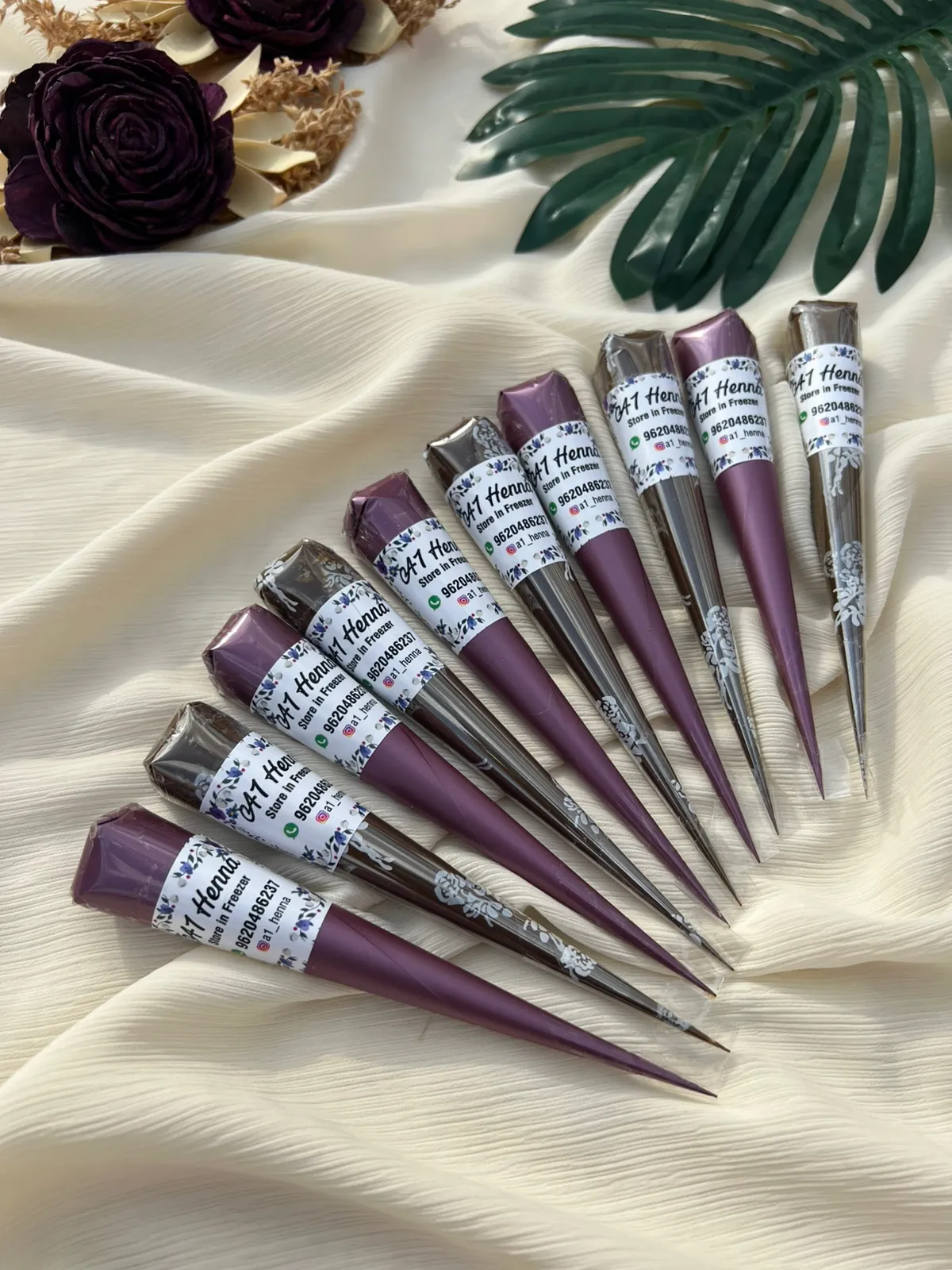 Henna ConesOrganic Henna ConesOrganic henna paste * Rich, natural henna stain * Halal · No PPD * Fine tip for detailed designs * Freshly hand-rolled in Bengaluru₹30View product →
What actually decides how the stain looks a week later
Not the intricacy of the design — the freshness and quality of the henna underneath it. I've seen elaborate, hours-long bridal designs done in old or poorly-sourced henna fade to a disappointing brown within days, and simpler designs in fresh natural henna stay rich and dark for two full weeks. Brides spend so much energy choosing a design style and comparatively little asking what henna is actually going on their hands — I understand why, but it's backwards from what actually determines the result.
The nerves are always the same
Every bride, regardless of how many hours we've talked through the design beforehand, gets visibly anxious the moment the cone actually touches her skin. I've learned to expect it and build it into how I plan a sitting — starting with a smaller test area, keeping the mood calm, checking in rather than working in silence for hours. A relaxed bride sits more comfortably, and a bride who sits comfortably gets a better, longer application, which genuinely affects the final stain.
See how bridal bookings actually work in Bangalore →
What I wish more brides asked before booking
Not "how much detail can you fit in" — that's usually the first question, and it's the least important one. I wish more brides asked what henna I'm using, whether I do a patch test beforehand, and how the timing works with their other functions. Those three questions tell me a bride has done her homework and is going to be easy to work well with. I laid out the full list in booking a mehndi artist in Bangalore, written from years of answering — and sometimes not being asked — exactly these questions.
The trial isn't optional, even when brides think it is
Early on I let brides skip the trial sitting if they were confident about the design. I don't recommend that any more. The trial isn't really about the design — it's about testing the exact henna on the exact skin ahead of time, patch-testing safely, and catching any surprises well before the actual wedding week, when there's no room left to fix anything.
The family dynamics nobody warns brides about
A bridal sitting is rarely just the bride and me. Mothers, sisters, friends — everyone has an opinion on the design, and sometimes those opinions arrive mid-sitting, which is the worst possible time to redesign anything. What I've learned to do is get the whole design agreed and signed off, ideally with whoever's opinion matters most in the room, before the cone ever touches skin. It sounds obvious written down; in the moment, with a room full of excited family, it's easy to skip and hard to recover from once you have. Now I ask directly, before I even open a cone, whether everyone whose opinion matters has actually seen and approved the final layout.
What hasn't changed in four years
The fundamentals are identical to my very first bridal booking: fresh, honest henna; enough time for the paste to sit; a calm, unrushed application; and clear aftercare instructions the bride actually follows. Design trends move constantly — I cover what's current in bridal mehndi trends — but none of that matters if the basics underneath it aren't right.
Why I still do this myself
Between the product line and the training batches, I could probably step back from bridal bookings entirely. I haven't, because every bridal sitting keeps me honest about what actually works — it's where I test the henna I sell, refine what I teach, and stay in touch with what a real client actually needs, not just what looks good in a portfolio photo.
The sitting that changed how I plan every one since
Early in my bridal work I once ran a design longer than planned trying to fit in extra detail a bride asked for mid-sitting, which pushed her application past the point where she could comfortably keep her hands still for the remaining hours. The stain still turned out well, but she was exhausted and uncomfortable by the end, and that's not a trade-off I want a bride to make on her own wedding week. Since then I plan a hard time limit before a sitting starts and hold to it, even when a bride wants "just a bit more" added — a slightly simpler design finished comfortably beats an ambitious one that wears everyone out.
A good bridal stain isn't luck. It's timing, honesty about the henna, and a bride who trusts the process enough to give it the hours it needs — every single time, with no shortcuts on wedding week.
Questions people ask
What's the most common bridal mehndi mistake Aliya sees?
Booking the mehndi function too close to the wedding day itself. The stain peaks 24-48 hours after the paste comes off, so a mehndi held the night before the wedding often isn't at its darkest for the actual ceremony.
What does Aliya wish more brides knew before booking?
That henna type matters more than design complexity for how the stain actually looks a week later — a simpler design in fresh, natural henna beats an elaborate one in old or poor-quality paste every time.
How many bridal clients has Aliya worked with?
Over 1000 clients across bridal mehndi, private events, stalls and exhibitions over 4+ years.
Does Aliya still personally take bridal bookings in Bangalore?
Yes, alongside running Hennaya's product line and training batches — bookings across Bangalore, including Jayanagar, Koramangala, HSR Layout and JP Nagar.
Keep reading
Why I Train Women to Become Henna Professionals
Aliya on why teaching became as important as the art itself — turning a skill women already love into a real, confident income, one 20-day batch at a time.
My Vision for Hennaya: Where This Is Headed
Aliya on what she's actually building — not just a henna shop, but a studio, a training ground and a livelihood path for women in Bangalore, and where it goes next.
Why I Started Rolling My Own Henna Cones
Aliya on the real reason Hennaya's cones exist — she couldn't reliably buy henna she'd trust on a bride's hands, so she started rolling her own from scratch.