
Rose Mehndi: Draw It Once, Use It Everywhere
The rose is the most versatile mehndi motif going. How to draw a clean one, scale it up or down, and use it from a minimal wrist accent to full bridal hands.
By Aliya, Founder, Hennaya
25 September 2026 · Updated 7 October 2026 · 4 min read

If you learn one mehndi motif properly, make it the rose. It scales from a 1 cm accent to a palm-filling centrepiece, it suits every style, and its petals are supposed to be uneven — which makes it kind to beginners.
A rose mehndi motif is a spiral centre surrounded by rings of curved, overlapping petals, usually finished with leaves and a dotted outline. Master the spiral-and-petal move and you have an anchor for almost any design.
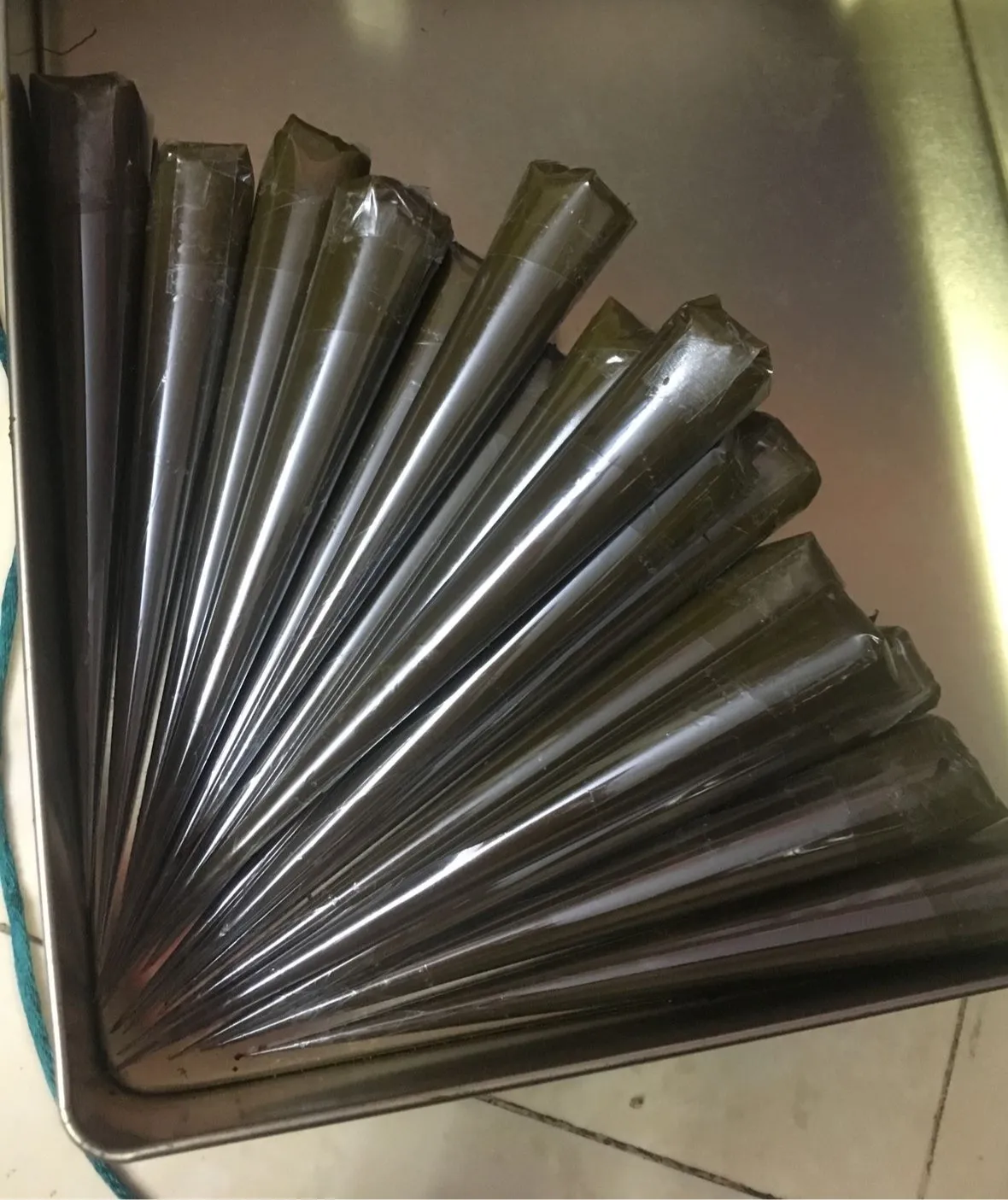 Henna ConesPracticing Henna ConesStain-free practice paste₹10View product →
How to draw a clean rose
- Centre spiral. A tight little spiral, two or three turns. This is the heart of the rose.
- Ring 1. Three or four short, curved petals hugging the spiral — like commas wrapping around it.
- Ring 2. Larger curved petals, each sitting between two petals of ring 1 (offset, not stacked). Slightly more open.
- Ring 3–4. Keep going outward, petals getting bigger and more open, until the rose is the size you want.
- Leaves. Two or three pointed leaves off the base, with a centre vein.
- Outline. A fine dotted or scalloped line around the whole rose to lift it off the skin.
Practise it at three sizes — small, medium, large — because real designs need the same rose scaled up and down. Warm up on a cheap practice cone so a wobble costs nothing.
Common rose mistakes
- Petals stacked directly on top of each other → looks like a target, not a rose. Offset every ring.
- All petals the same size → no bloom. Small and tight at the centre, big and open at the edge.
- Centre too loose → the rose has no focal point. Keep the spiral small and dense.
- Blobby petal tips → ease off cone pressure before you lift.
Rose variations
Once the basic rose is solid, try:
- Rosebud — just the spiral centre and one tight ring; a small accent for fingers or borders.
- Open rose — more rings, more open, drawn larger; a palm centrepiece.
- Rose vine — several roses of different sizes along a curving stem, trailing wrist to fingers.
- Shaded rose — solid centre, close-line middle ring, outline-only outer petals; looks 3D (shaded & 3D mehndi effect guide).
- Rose-and-jaali — a rose framed by a patch of jaali net.
Where to use a rose
| Look | How |
|---|---|
| Minimal | One medium rose on the back of the hand, three leaves, dotted outline — done (minimal mehndi designs) |
| Festival | A large rose anchor with paisleys or vines radiating out (Karva Chauth, Diwali) |
| Wrist cuff | A row of small roses along a band (wrist & cuff mehndi design ideas) |
| Bridal | A rose-and-jaali palm, mirrored, with roses climbing the forearm (full hand mehndi design) |
| Engagement / sangeet | A shaded rose on one hand with a light border (engagement & sangeet mehndi) |
The rose is also the backbone of Indo-Arabic bridal work — see bridal mehndi design trends.
A one-week rose practice plan
| Day | Focus |
|---|---|
| 1–2 | Just the spiral centre + one ring of petals, 20 times a day |
| 3–4 | Add rings 2–3; get the offset (petals between petals) automatic |
| 5 | Add leaves and a dotted outline; draw the full rose at 3 sizes |
| 6 | Rose vine — 3–4 roses of different sizes along a stem |
| 7 | Rose on skin (your own leg), photographed in daylight |
Warm up each session on a practice cone so a wobble costs nothing.
The rose across styles
- Arabic — one or two large open roses with lots of bare skin (Arabic mehndi design guide).
- Indian / Rajasthani — smaller roses packed among jaali and paisleys (Rajasthani mehndi design guide).
- Indo-Arabic / fusion — one detailed shaded rose against open space; the current bridal favourite (Indo-Western & fusion mehndi designs).
- Minimal — a single rosebud on a finger or the wrist.
Getting the colour right
A crisp rose still needs a dark stain. Use a fresh organic henna cone, leave the paste on for hours, scrape it off dry, and keep the design away from water for 12 hours — the full routine is how to get a dark henna stain.
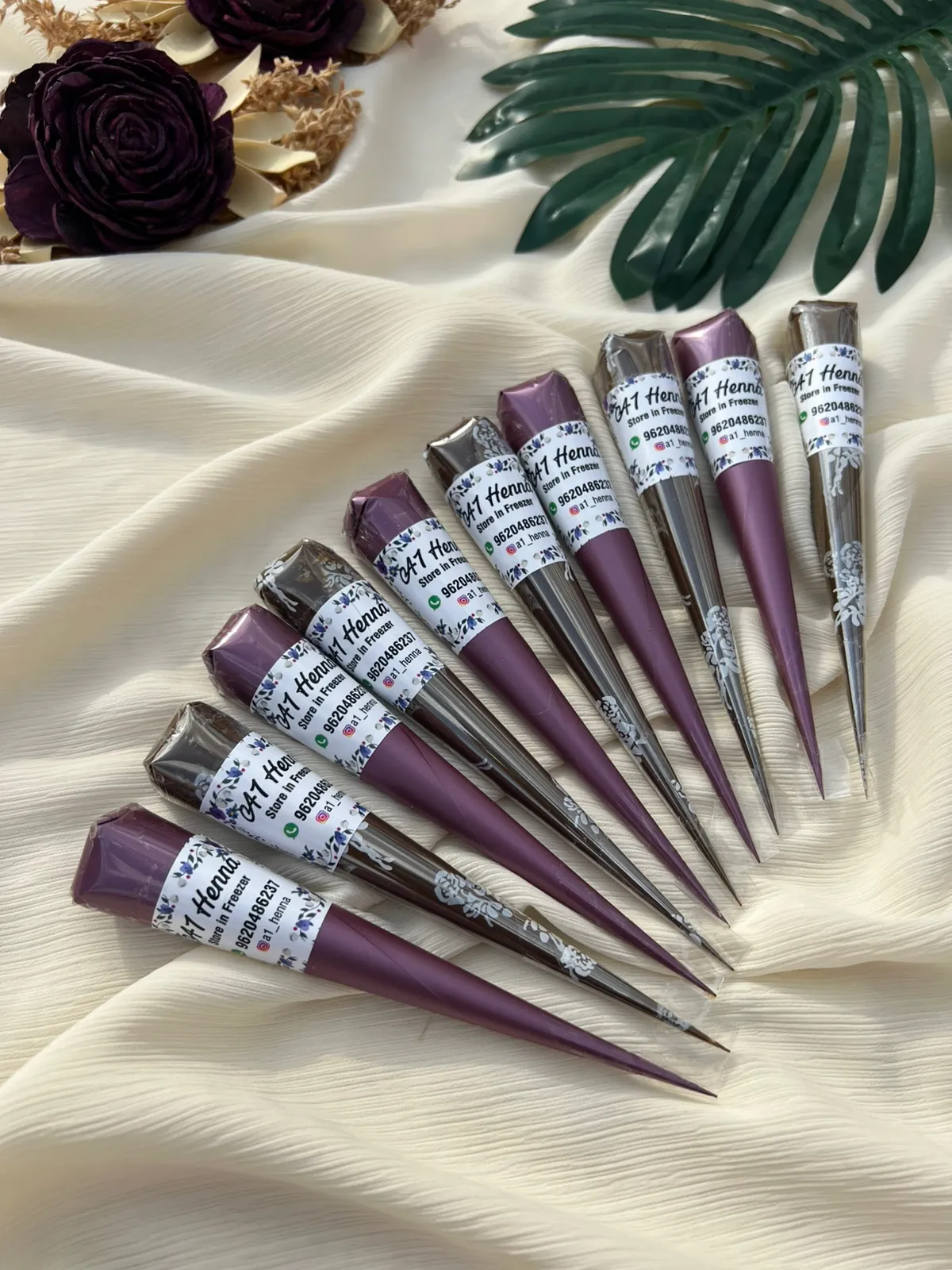 Henna ConesOrganic Henna ConesOrganic henna paste * Rich, natural henna stain * Halal · No PPD * Fine tip for detailed designs * Freshly hand-rolled in Bengaluru₹40View product →
Hennaya makes natural cones and stencils in Bangalore with delivery across Jayanagar, BTM Layout, HSR Layout, Koramangala and Indiranagar. Founder Aliya teaches motif construction — roses, paisleys, mandalas — in her henna classes.
Questions people ask
How do you draw a rose in mehndi?
Start with a small spiral at the centre, then add curved, overlapping petals that get larger as they move outward — three or four rings of them. Keep the centre dense and let the outer petals open up. Finish with a few leaves and a dotted outline.
Is rose mehndi good for beginners?
Yes. A rose is forgiving — the petals are meant to be irregular, so a slightly wobbly line still reads as a rose. It also teaches you spiral control and layering, which carry into every other motif.
Where does a rose motif look best?
Anywhere you need an anchor: the centre of the palm or back of the hand, a wrist cuff, or a cluster trailing up the forearm. A single rose also works as a complete minimal design.
Keep reading
Craft Your Unique Mehndi Design
Empower yourself by crafting personalized henna art that reflects your individuality. Discover how to embrace your creativity!
Bail Mehndi: Vine & Trail Designs for Hands
What bail mehndi is, the main vine layouts for hands and fingers, and how to draw a clean trailing bail design that works for daily wear or a festival day.
Mehndi Motif Meanings: Peacock, Lotus & More
What does a peacock, paisley or lotus actually mean in mehndi? A plain guide to the symbolism behind the motifs artists draw most, and when each one fits.