What Is a Mehndi Ceremony? Who, When & Why
What happens at a mehndi function, who it's for, how long it runs, and how to plan the henna so the bride and family get a deep stain for the wedding day.
By Aliya, Founder, Hennaya
28 August 2026 · Updated 8 September 2026 · 4 min read

A mehndi ceremony (or mehndi function) is a pre-wedding celebration where henna is applied to the bride and, increasingly, the groom and the wider family. It's one of the most relaxed, joyful events in a South Asian wedding — part beauty ritual, part party.
The purpose
- The bride's adornment. Deep, intricate mehndi is part of the bridal look (solah shringar).
- A blessing. In many families the henna symbolises love, prosperity and the bond between the couple; a common tradition is hiding the groom's initials in the design.
- A gathering. It brings the bride's and groom's families together in a low-key setting before the formal ceremonies.
Who takes part
- The bride — the most detailed design, often hands, feet and arms.
- The groom — increasingly a small, meaningful motif (mehndi designs for men).
- Mothers, sisters, close family — medium designs.
- Friends and guests — quick designs, often at a dedicated station.
See how to organise the whole party in the groom & family mehndi guide.
When it's held
Usually 1–3 days before the wedding. There's a practical reason: henna stains peak 24–48 hours after the paste is removed (the colour timeline), so a mehndi held two days before means the bride's stain is at its richest on the wedding day. This is why the bridal mehndi timeline matters.
What a typical function looks like
- The bride's application starts first — often earlier in the day, or the previous day, because a full bridal design takes 4–7 hours.
- Music and food through the afternoon or evening; family and friends drop in.
- Family and guests get their henna at a second chair or a stencil station.
- Games and songs — teasing the couple, folk songs, sometimes a small dance.
- Everyone leaves with aftercare instructions so their colour develops well.
Planning the henna
- Book the artist(s) 2–3 months ahead for peak dates; a second artist for family and guests.
- Confirm the henna is natural and natural — never "black henna" (why).
- Patch test the bride 48 hours before (how).
- Set up a guest station with instant cones and stencils for a large headcount.
- Keep the room warm and the bride fed and hydrated — she'll be sitting for hours.
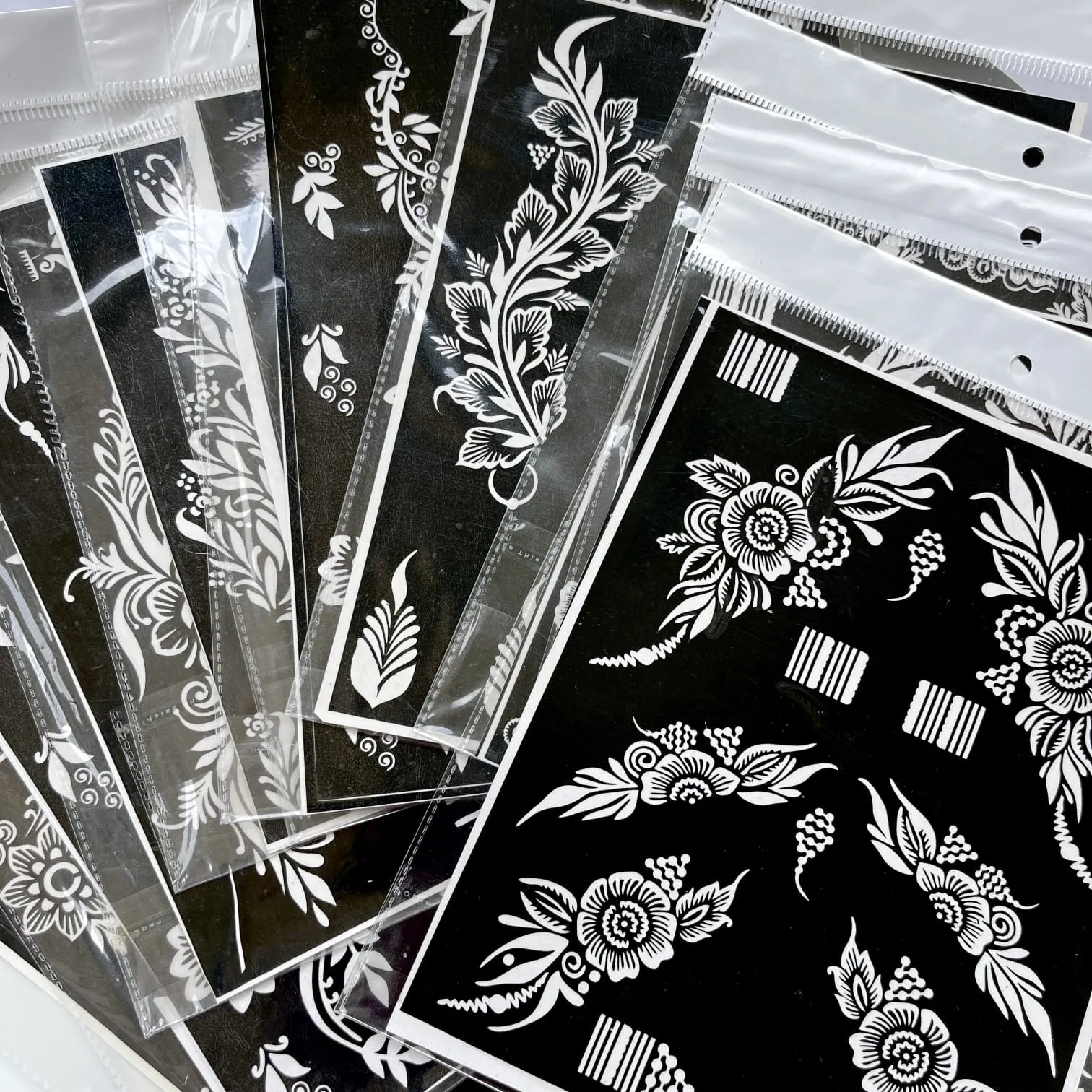 Mehndi StencilsReusable Mehndi StencilsSelf-adhesive, skin-friendly vinyl₹30View product →
Mehndi vs sangeet
Traditionally distinct — mehndi for henna, sangeet for music and dance — but many families now hold a combined "mehndi-sangeet" evening. If yours is combined, start the bride's henna well before the music so it isn't rushed.
Regional variations
The mehndi function isn't identical everywhere:
- North Indian: often a big evening event with music, folk songs and dancing; the "mehndi-sangeet" combination is common.
- South Indian: in many communities henna is applied more simply as part of the pre-wedding rituals rather than a large standalone party.
- Muslim weddings: the mehndi (or "mehndi ki raat") is a distinct celebration, often at the bride's home, with its own songs and the groom's family bringing henna and gifts.
- Marwari / Rajasthani: the bride's mehndi is famously dense and figurative, applied over many hours.
Whatever the format, the henna timing rule is the same — apply so the stain peaks on the wedding day.
A simple run-sheet
- Two days before the wedding, morning: bride's application begins. Block 4–7 hours; keep her fed, hydrated (straw), warm.
- Same session: mothers and sisters, in order of who needs the darkest stain for the main events.
- Afternoon / evening: wider family and the bridal party at a second chair.
- Guest station open throughout with instant cones and stencils.
- Everyone leaves with an aftercare card: paste on for hours, scrape dry, no water for 12 hours, seal with oil.
- Wedding morning: a light re-oil on every design for a subtle sheen in photos.
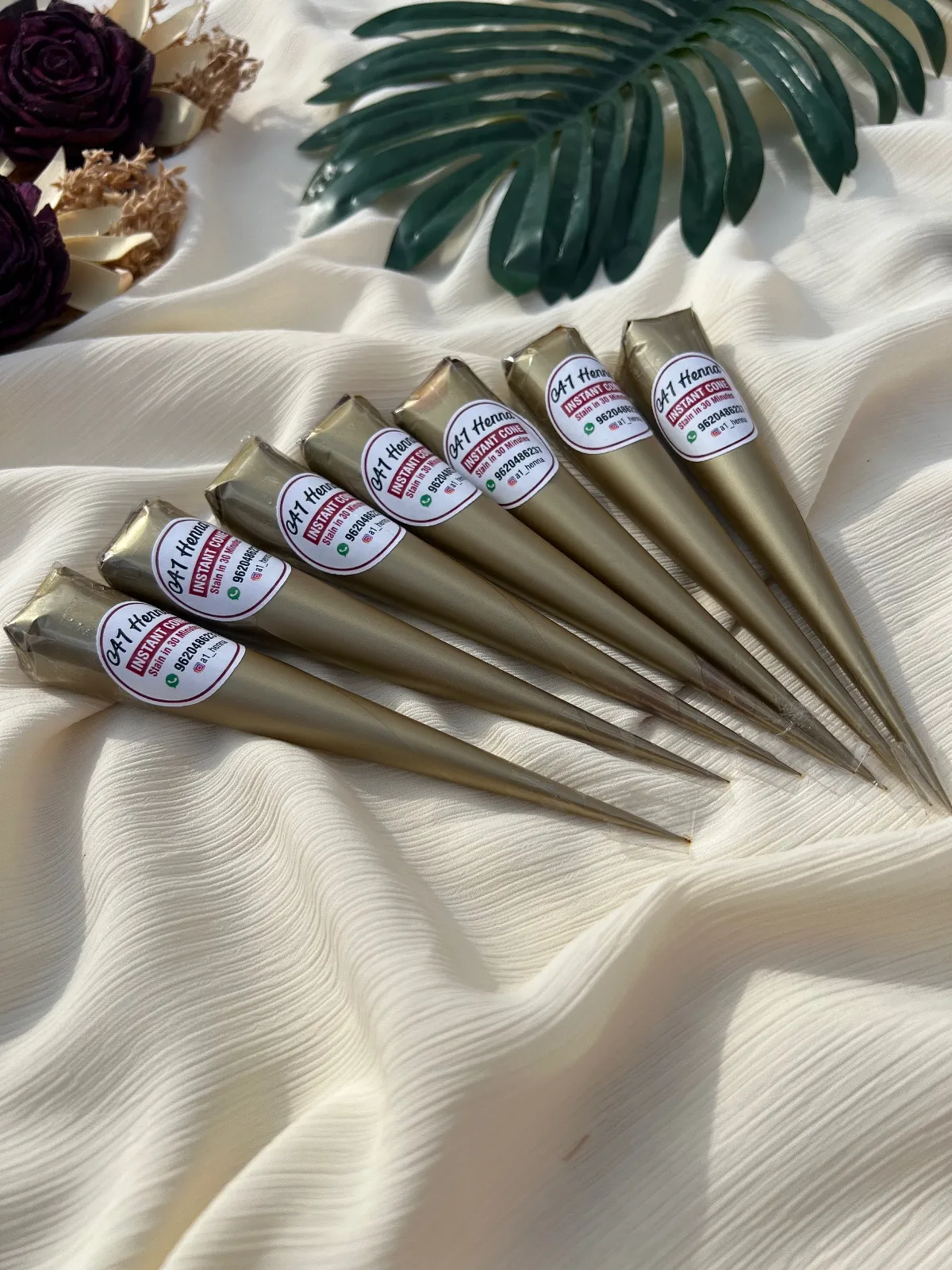 Instant HennaInstant Henna ConeUsable stain in about 30 minutes₹30View product →
What to send guests beforehand
A short message a week ahead saves disappointment: "For dark mehndi — clean, oil-free hands, no fresh waxing or bleach on the arms, plan to keep the paste on 4–6 hours, don't wash it off (scrape it), avoid water for 12 hours after." Link them how to get a dark henna stain.
Costs
The henna is one line item among catering, décor and music. Bridal mehndi in Bangalore commonly runs ₹5,000–₹25,000 depending on coverage and the artist; family and guest henna is quoted per hand or per hour. See bridal mehndi cost in Bangalore.
Hennaya supplies natural cones and stencils across Bengaluru — Jayanagar, JP Nagar, Koramangala, HSR Layout, Indiranagar, Whitefield — for mehndi functions, and runs henna classes.
Questions people ask
What happens at a mehndi ceremony?
The bride (and often the groom and close family) have henna applied in intricate designs, usually with music, food and dancing. It's a relaxed, festive pre-wedding function held one to three days before the wedding.
How long does a mehndi ceremony last?
The function itself runs a few hours, but the bride's henna alone can take four to seven hours, so her application often starts earlier in the day or the day before the guests arrive.
Is the mehndi ceremony the same as the sangeet?
They're often combined, but traditionally the mehndi focuses on henna application and the sangeet on music and dance performances. Many families now hold one 'mehndi-sangeet' evening.
Why is mehndi applied before a wedding?
Mehndi (henna) is applied at a pre-wedding function as a blessing and part of the bride's adornment. Traditions vary by community, but it's widely seen as a symbol of love, prosperity and the bond between the couple, and the cooling herb was also thought to calm pre-wedding nerves.
What does a dark mehndi stain symbolise?
A common saying links a darker stain to a stronger bond with the spouse or in-laws. It's affectionate folklore, not a rule — colour actually depends on fresh henna, time on the skin, warmth and aftercare.
Is the groom's name hidden in bridal mehndi?
Yes, in many North Indian traditions the groom's initials or name are tucked discreetly into the design for him to find — a playful part of the ritual.
Do you deliver bridal henna cones across Bangalore?
Yes. Hennaya hand-rolls natural bridal-grade cones and delivers across Bengaluru — Jayanagar, JP Nagar, Koramangala, HSR Layout, Indiranagar and Whitefield — with pan-India shipping.
What games are played at a mehndi ceremony?
Common ones: hiding the groom's initials in the bride's design for him to find, couple quiz games, antakshari and folk-song rounds, and light 'roast the couple' segments led by the sisters and friends. Keep them short so the henna keeps moving.
What do you need to host a mehndi function at home?
Comfortable low seating for the bride, good light for the artists, a guest henna station with instant cones and stencils, music, food, and aftercare cards for everyone who gets a design.
Keep reading
Bridal Mehndi in Bangalore: The Complete Bride's Guide
Everything a Bangalore bride needs — when to book, what it costs, which style to choose, the application-day plan, and the aftercare that guarantees a deep stain.
Bridal Mehndi Cost in Bangalore: 2026 Price Guide
Most Bangalore brides pay ₹5,000–₹25,000 for bridal mehndi. What pushes you up or down that range, what a fair quote includes, and how to avoid overpaying.
Bridal Mehndi Timeline: When to Book, Apply & Seal
A week-by-week plan for brides — when to book, when to apply, what to eat and skip, and the aftercare that gets you a deep stain that lasts every function.