
Mehndi, Sangeet & Haldi: What's the Difference?
Confused which wedding function is which? A plain-English guide to mehndi, sangeet and haldi — what happens at each, who's involved, and where henna fits in.
By Aliya, Founder, Hennaya
6 October 2026 · 5 min read

If you've ever nodded along at a wedding invite listing "Haldi — Friday, Mehndi — Saturday, Sangeet — Saturday evening" without actually knowing what separates them, you're not alone. Haldi, mehndi and sangeet are three separate pre-wedding functions in an Indian wedding — a turmeric ritual, a henna ceremony, and a music night — and they often run back to back, which is exactly why they blur together.
Here's what each one actually is, in the order they usually happen.
Haldi: the turmeric ceremony
Haldi comes first. Family members apply a paste of turmeric, oil and sometimes sandalwood or rosewater to the bride and groom — at their own homes, or together at one venue. It's meant as a blessing for a glowing complexion and to ward off ill luck before the wedding. It's playful and a little messy: expect turmeric on clothes, laughter, and everyone getting smeared a little themselves.
There's a practical reason it comes before mehndi, not after: henna stains best on clean, oil-free skin, so doing the turmeric first (and washing it off well before the henna paste goes on) protects your stain instead of blocking it.
Mehndi: the henna ceremony
This is where henna cones come out. The bride sits for an artist to cover her hands (often arms and feet too) in intricate designs, while women in the family often get simpler mehndi done alongside her. It's usually the longest function of the three — a full bridal design can take several hours — and it's as much a social afternoon as an art session, with music, snacks and a lot of hand-holding (literally, since wet paste means you can't do much else).
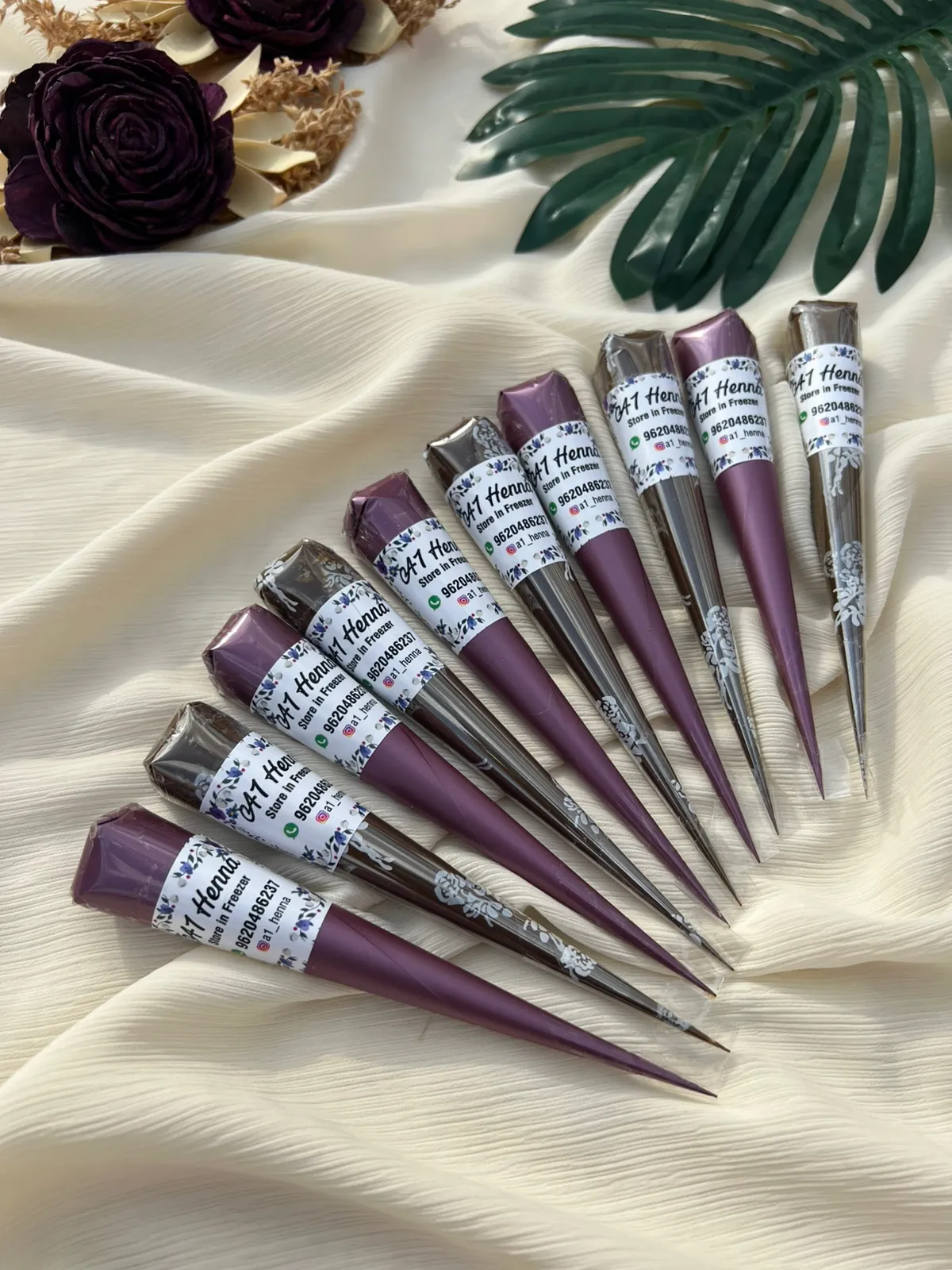 Henna ConesOrganic Henna ConesOrganic henna paste * Rich, natural henna stain * Halal · No PPD * Fine tip for detailed designs * Freshly hand-rolled in Bengaluru₹30View product →
We cover exactly what this function means and why it's held in our full mehndi ceremony guide — this piece is about telling it apart from its neighbours on the wedding calendar.
Sangeet: the music night
Sangeet is different in kind, not just in name — it's a performance evening, not a ritual. Families rehearse and perform dance numbers, there's often a live band or DJ, and both sides of the family join in (unlike haldi and mehndi, which traditionally centre on the bride's side). No henna is required at a sangeet, though a lot of women choose to wear the mehndi from the earlier function since it's usually still fresh and photographing well.
Side by side
| Haldi | Mehndi | Sangeet | |
|---|---|---|---|
| What happens | Turmeric paste applied as a blessing | Henna designs applied by an artist | Music, dance performances |
| Mood | Playful, a little messy | Calm, social, long sitting | High-energy, celebratory |
| Who's involved | Usually the bride/groom's side | Bride and close female family/friends | Both families |
| Typical timing | Morning, before mehndi | Same day or next, afternoon into evening | Any evening before the wedding |
| What to wear | Old or yellow clothes you don't mind staining | Comfortable clothes you can sit in for hours | Festive outfit — you'll be dancing |
Why the order matters
Wash off the haldi paste fully and let skin dry before henna goes on — oil and turmeric residue both interfere with how deep a henna stain goes. If your family's schedule has haldi and mehndi close together, build in at least an hour's gap to shower and dry off properly. Once the henna paste is on, avoid water for as long as you can manage — our dark stain guide has the full routine.
Who usually hosts each one
Traditionally, haldi and mehndi are hosted by the bride's side (and the groom often has his own smaller haldi separately, sometimes his own mehndi too), while sangeet has become more of a joint affair between both families as it's grown into the bigger celebration it is today. These lines have blurred a lot in modern weddings — plenty of families now host a joint haldi, or fold the groom's side into the mehndi evening as guests. There's no rule that says you have to follow the traditional split; it's your wedding week to structure how it works for your families.
Planning your own version
Not every wedding runs all three separately — some combine haldi and mehndi into one morning-to-evening event, or fold mehndi straight into the sangeet so guests get henna done while the performances warm up. There's no rulebook here; it comes down to your guest list, your venue budget and how many days you can realistically ask everyone to take off work. If you're hosting the mehndi portion yourself, our mehndi ceremony hosting checklist walks through booking an artist, ordering enough henna and timing the afternoon so it doesn't run long.
Photographing each function
If you're hiring a photographer for the week rather than just the wedding day, it's worth knowing what photographs well at each function. Haldi is candid and messy — the best shots happen when nobody's posing. Sangeet needs someone comfortable shooting movement in low light. Mehndi is the one function built for planned, detailed shots: hands resting still for hours is a rare chance to get close-up jewellery and design photos, but only once the stain has properly darkened — fresh orange paste photographs flat compared to the deep maroon it becomes a day or two later. If the shoot has to happen same-day, angle for good natural light and a plain background rather than expecting stage-lit drama out of it.
Delivery across Bengaluru
Whichever function you're planning, Hennaya delivers hand-rolled henna cones the same day across BTM Layout, Jayanagar, Koramangala, HSR Layout and all of Bengaluru, and Aliya and her team take bridal and family bookings across the city — see our Bangalore bridal mehndi guide for packages.
Know which function is which, and the rest of the wedding week gets a lot less confusing.
Questions people ask
What is the difference between mehndi and sangeet?
Mehndi is the ceremony where henna is applied to the bride (and often guests); sangeet is a music-and-dance night where families perform and celebrate together. Mehndi is about the henna itself — sangeet is about performances and fun, and sometimes the two are combined into one evening.
What is the difference between haldi and mehndi?
Haldi comes first: a turmeric-and-oil paste is applied to the bride and groom (separately or together) for a ritual glow and blessing. Mehndi is the henna ceremony, usually held right after or alongside it. Haldi is about the turmeric paste; mehndi is about the henna design.
Which wedding function happens first — haldi, mehndi or sangeet?
Haldi usually comes first, since it's meant to happen before the mehndi paste goes on (henna needs bare, unoiled skin to stain well). Mehndi typically follows on the same or next day, with sangeet held any time in the days before the wedding — sometimes combined with mehndi into one evening.
Can mehndi and sangeet be on the same day?
Yes, plenty of families combine them into one 'mehndi-sangeet' evening — henna application through the afternoon, music and dancing once most guests are done. It's common when the guest list or the wedding calendar is tight.
Keep reading
Bridal Mehndi in Bangalore: The Complete Bride's Guide
Everything a Bangalore bride needs — when to book, what it costs, which style to choose, the application-day plan, and the aftercare that guarantees a deep stain.
How to Host a Mehndi Ceremony: A Simple Checklist
Hosting the mehndi function yourself? Here's the real checklist — booking an artist, ordering enough henna, timing the afternoon and what to skip.
Bridal Mehndi Cost in Bangalore: 2026 Price Guide
Most Bangalore brides pay ₹5,000–₹25,000 for bridal mehndi. What pushes you up or down that range, what a fair quote includes, and how to avoid overpaying.