
Kids' Mehndi Designs: Simple, Quick & Safe
Fast, fuss-free henna designs for children — plus the safety rules that matter most: natural henna only, never 'black henna', and a quick patch test first.
By Aliya, Founder, Hennaya
2 August 2026 · Updated 7 October 2026 · 5 min read

Kids love mehndi for festivals and weddings, but their patience is short and their skin is more sensitive. Keep it small, quick and safe.
Safety first
- Natural, natural henna only. Never "black henna" — it contains synthetic dye that burns and scars, and children react worse (why).
- Patch test a small dot on the inner arm 24–48 hours before if it's a new cone (how).
- Skip henna on babies and toddlers, and on any child known to have a G6PD deficiency (ask a doctor if unsure).
- Tell the child not to lick or rub the paste — keep it away from mouths and eyes.
Designs that work for kids
Quick, bold, single motifs read well and survive a wriggling hand:
- A flower on the back of the hand with a dotted border
- A star, heart or butterfly — one clean shape
- A small vine from the wrist to one finger
- Fingertip dots or stained tips only
- A tiny motif on the palm they can "hold" closed
- Name initial for older kids
- A sun, moon or cloud — simple shapes kids recognise
- A little animal — fish, cat, elephant — as an outline
Keep it to one motif per hand. Kids lose patience fast, and a small clean design they can show off beats a bigger one that got smudged.
Stencils are ideal here — a crisp shape in under two minutes, no sitting still for freehand. Use a natural instant cone so it develops fast and fades in a few days.
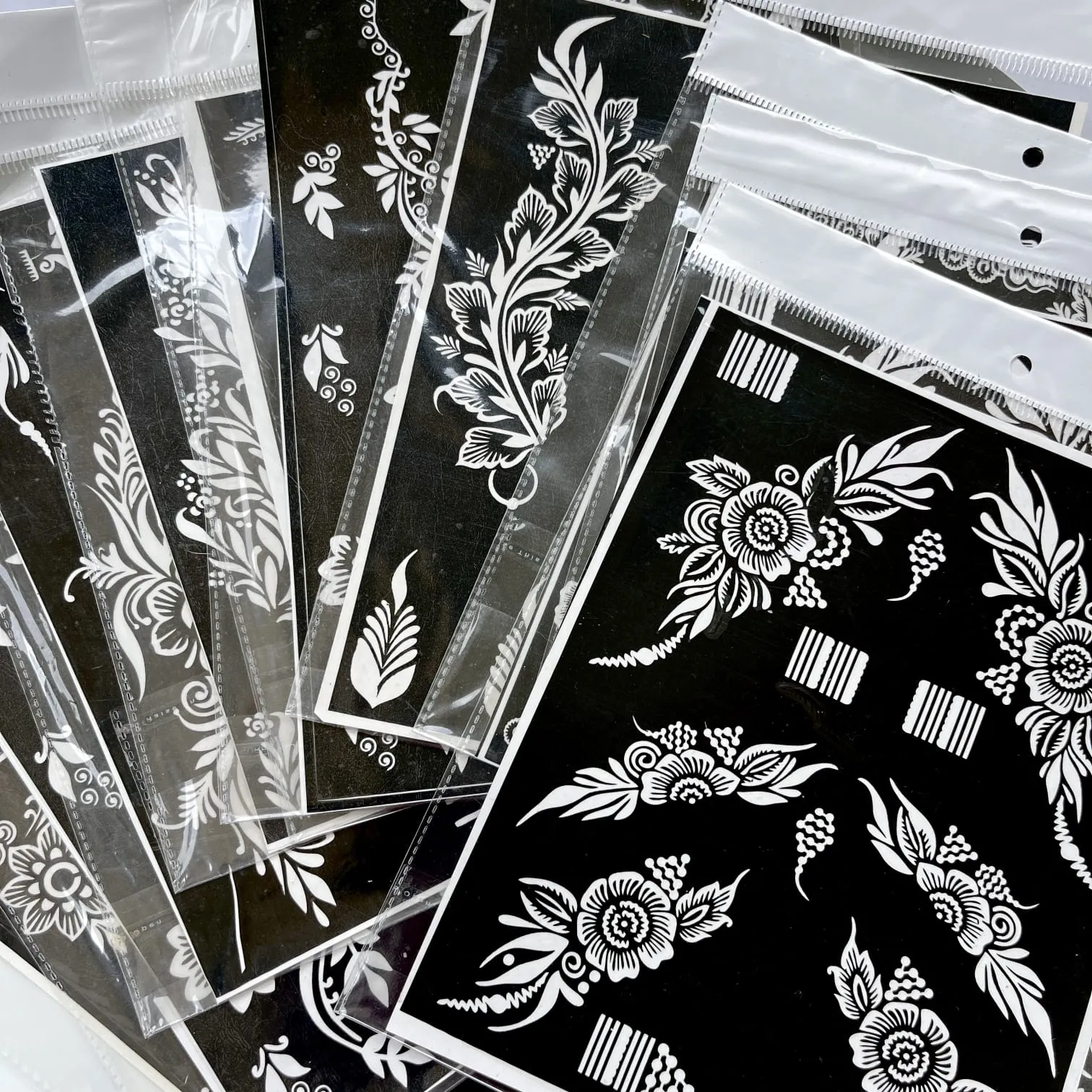 Mehndi StencilsReusable Mehndi StencilsSelf-adhesive, skin-safe vinylClean, symmetrical designs with no skill Reusable 5-6 timesWorks with instant dip or any henna coneSizes from Kids to Premium full-hand₹30View product →
A 10-minute mini session
- Let the child pick their motif from 3–4 options — they sit still better when they chose.
- Clean the hand, settle them with a screen or a story.
- Apply the motif (or fill a stencil) in one go — small and bold.
- "Blow on it like a birthday candle" while it dries — kids love a job.
- Dab oil, done. Photo for the grandparents.
Ideas by age
- 4–6: a single stencil shape — star, heart, flower — on the back of the hand.
- 7–10: a small freehand flower or butterfly with a dotted border; maybe fingertip dots.
- 11+: a wrist band with a trailing finger vine, or a small mandala — closer to an adult design but still quick.
A kids' station at a function
Put out a stencil set, a couple of natural instant cones, tissues and cotton buds, with one adult running it. Children pick a shape, the adult fills and peels, and everyone's happy while the artist works on the bride and close family — see the family function guide.
Aftercare for kids (keep it easy)
Don't put a child through the full overnight routine:
- Leave the paste on 1–2 hours if they'll tolerate it, then scrape off dry.
- A light orange-to-brown stain is perfectly fine for a child.
- Dab a little coconut oil and tell them to keep it out of water for a few hours.
- It'll fade in 4–7 days — usually a relief for a school uniform rule.
If a child reacts
Natural henna rarely causes a true reaction, but if you see redness, itching or swelling, wash gently with mild soap and water and stop. Blistering or a burn-like mark in the shape of the design points to an adulterated "black henna" cone — see a doctor and read natural henna vs black henna. This is exactly why kids get natural henna only, always patch tested for a new cone.
Making it fun
- Let them choose the motif and which hand — small choices help them sit still.
- Give them a job: "blow on it gently to help it dry."
- Do a matching mini-motif on a parent so it's a shared thing.
- Take a photo the next day when the colour has developed — kids love seeing it "turn orange then brown."
- Keep the whole thing under 10 minutes for younger children; attention runs out fast.
Age guide at a glance
- Under 3: skip henna — thin skin, likely to rub or mouth it.
- 3–6: one small stencil shape, natural instant cone, 1–2 hours on, light stain.
- 7–10: a simple freehand flower or animal, or fingertip dots.
- 11+: a small wrist-and-finger design, closer to an adult's but still quick.
Always natural, body-art-quality henna — and a patch test for any new cone.
Keeping it neat
- Clean, dry skin — no lotion.
- Apply before story time, a screen, or bedtime so the hand stays still.
- Let the paste dry fully (20–30 min), then dab a drop of oil.
- Scrape off dry; a light stain is fine for kids — no need for the full overnight routine.
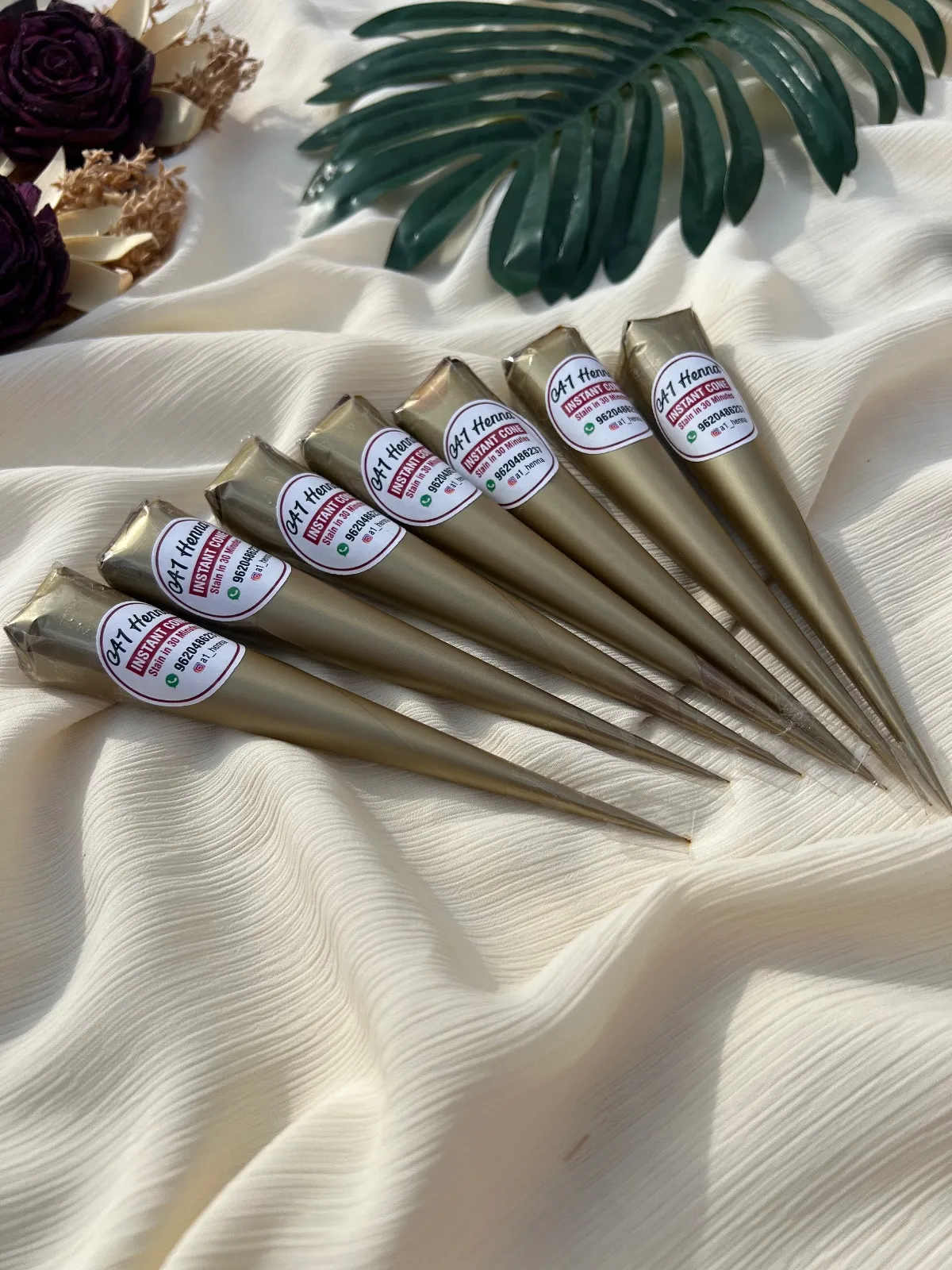 Instant HennaInstant Henna ConeUsable stain in about 30 minutes₹30View product →
For a family function
Set up a quick stencil station so children can pick a motif and an adult fills it — it keeps them happy while the artist focuses on the bride and close family. See the groom & family mehndi guide.
Hennaya makes child-friendly, natural cones and stencils in Bangalore with delivery across Jayanagar, JP Nagar, HSR Layout and Whitefield.
Questions people ask
Is henna safe for children?
Natural, body-art-quality henna is generally fine on older children's skin with a patch test. Never use 'black henna' on anyone, especially children — it causes chemical burns. Avoid henna on babies and toddlers, and on any child with a G6PD deficiency.
What is a good first mehndi design for a child?
A single small motif — a flower, star, heart or butterfly — on the back of the hand, done in 5–10 minutes with a stencil or a quick freehand outline.
How do I stop a child smudging their mehndi?
Keep the design small and quick, apply before a calm activity or sleep, let it dry fully, and dab a little oil once it's set. Tell them not to lick or pick at it.
Keep reading
Craft Your Unique Mehndi Design
Empower yourself by crafting personalized henna art that reflects your individuality. Discover how to embrace your creativity!
Bail Mehndi: Vine & Trail Designs for Hands
What bail mehndi is, the main vine layouts for hands and fingers, and how to draw a clean trailing bail design that works for daily wear or a festival day.
Mehndi Motif Meanings: Peacock, Lotus & More
What does a peacock, paisley or lotus actually mean in mehndi? A plain guide to the symbolism behind the motifs artists draw most, and when each one fits.